
2019-07-19 18:40:00 Fri ET
trust perseverance resilience empathy compassion passion purpose vision mission life metaphors seamless integration critical success factors personal finance entrepreneur inspiration grit
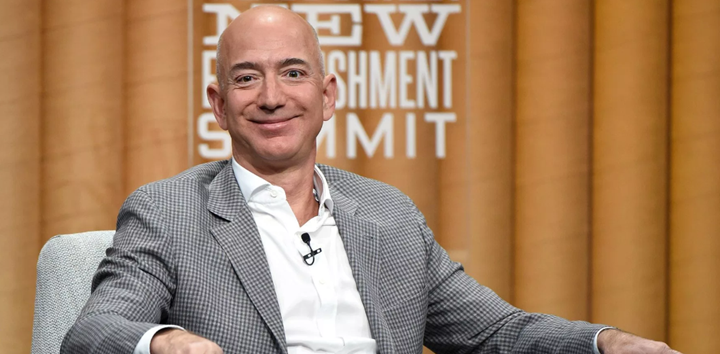
We can decipher valuable lessons from the annual letters to shareholders written by Amazon CEO Jeff Bezos. Amazon is highly customer-centric because the word variants of *customer and customers* attain the highest word count in each of his annual letters to Amazon shareholders in 1997-2003, 2008-2009, and 2012-2017. In addition to this customer focus, each letter indicates a clear concern with robust financial health. As Bezos reiterates in his letter to Amazon shareholders back in 2004, he emphasizes that the *ultimate long-term financial measure [for Amazon] is free cash flow per share*. This focus sheds new light on Amazon corporate value creation via cash capital utilization that drives steady free cash flow growth in the long run.
Another major aspect of Amazon business focus from 2007 to present relates to planting seeds of firm expansion into key ventures such as Kindle e-reader devices, Amazon Web Services (AWS), and self-service e-commerce platform features and improvements for cost-effective sales and fast delivery services. At Amazon, the most transformative inventions empower authors, auctioneers, third-party sellers, and other network members to unleash their creativity. On balance, Bezos believes in an optimal level of customer centricity, and he cares for other stakeholders such as blue-collar employees, content providers, and third-party sellers etc.
If any of our AYA Analytica financial health memos (FHM), blog posts, ebooks, newsletters, and notifications etc, or any other form of online content curation, involves potential copyright concerns, please feel free to contact us at service@ayafintech.network so that we can remove relevant content in response to any such request within a reasonable time frame.
2019-05-13 12:38:00 Monday ET

Brent crude oil prices spike to $70-$75 per barrel after the Trump administration stops waiving economic sanctions on Iranian oil exports. U.S. State Secret
2021-02-01 10:19:00 Monday ET

In recent times, the International Monetary Fund (IMF) predicts that the fiscal-debt-to-GDP ratio of most rich economies would rise from 95% in 2018 to 135%
2018-01-25 08:32:00 Thursday ET

After its flagship iPhone X launch, Apple reports its highest quarterly sales revenue over $80 billion in the tech titan's 41-year history. Apple expect
2018-06-09 16:40:00 Saturday ET

The Trump administration introduces new tariffs on $50 billion Chinese goods amid the persistent bilateral trade dispute. The tariffs effectively boost cost
2020-11-01 11:21:00 Sunday ET

Artificial intelligence continues to push boundaries for several tech titans to sustain their central disruptive innovations, competitive moats, and first-m
2019-08-07 08:32:00 Wednesday ET

Our fintech finbuzz analytic report shines fresh light on the current global economic outlook. As of Summer-Fall 2019, the current analytic report focuses o