
2019-10-21 10:35:00 Mon ET
technology antitrust competition bilateral trade free trade fair trade trade agreement trade surplus trade deficit multilateralism neoliberalism world trade organization regulation public utility current account compliance
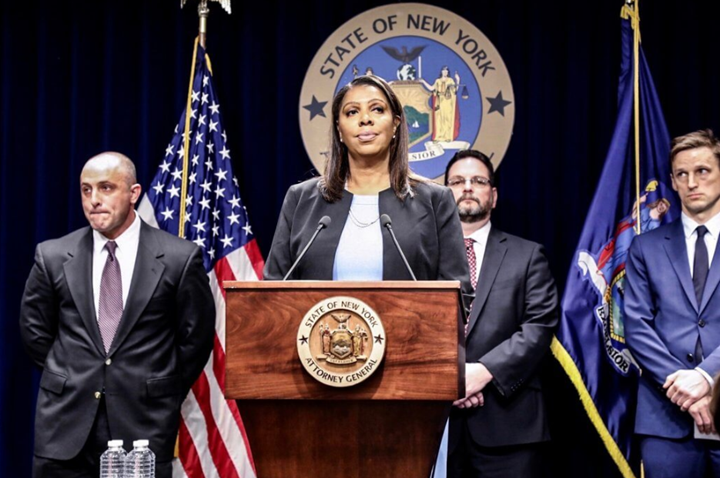
American state attorneys general begin bipartisan antitrust investigations into the market power and corporate behavior of central tech titans such as Apple, Amazon, Facebook, and Google. From all U.S. states except California and Alabama, the key state attorneys general (AGs) launch bipartisan antitrust investigations into the current tech business practices. Specifically, the state AGs assess whether it is legitimate for Facebook, Google, and Amazon etc to connect online ads to specific Internet platform search and newsfeed results. Moreover, the state AGs examine whether Apple monopolizes the markets for mobile apps and multi-media services via App Store and its music and video partnerships with Spotify and Oprah Winfrey Network. However, these tech titans run different business models. Facebook finds its unique business niche in social media ads; Google dominates in Internet search and key other software services; Amazon specializes in e-commerce for consumer products; and Apple focuses on smart mobile devices and app services.
Throughout this new antitrust probe, the main economic thread suggests that these tech titans may amass anti-competitive market power. The investigative group of 48 state AGs thus poses a major antitrust threat to Amazon, Apple, Facebook, and Google. With new regulations, the potential fines and penalties can involve billions of dollars for these tech titans.
If any of our AYA Analytica financial health memos (FHM), blog posts, ebooks, newsletters, and notifications etc, or any other form of online content curation, involves potential copyright concerns, please feel free to contact us at service@ayafintech.network so that we can remove relevant content in response to any such request within a reasonable time frame.
2018-08-15 14:40:00 Wednesday ET
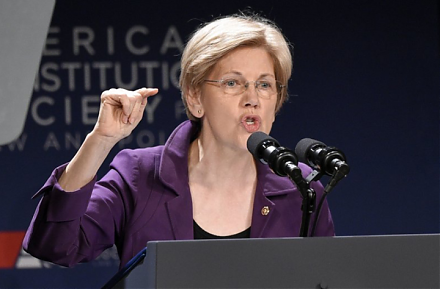
Senator Elizabeth Warren advocates the alternative view that most U.S. trade deals serve corporate interests over workers, customers, and suppliers etc. She
2019-01-04 11:41:00 Friday ET
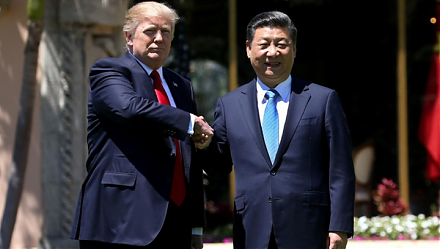
Chinese President Xi JingPing calls President Trump to reach Sino-American trade conflict resolution. Xi sends a congratulatory message to mark 40 years sin
2020-09-17 12:28:00 Thursday ET

Many successful business organizations develop their distinctive capabilities and unique value propositions for strategic reasons. Paul Leinwand and Cesa
2019-02-07 07:25:00 Thursday ET
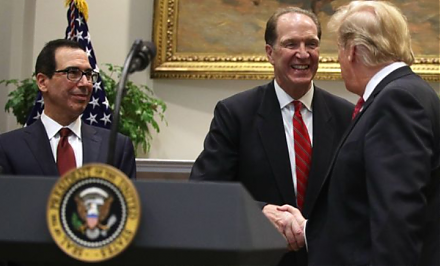
President Trump picks David Malpass to run the World Bank to curb international multilateralism. The Trump administration seems to prefer bilateral negotiat
2017-09-03 10:44:00 Sunday ET
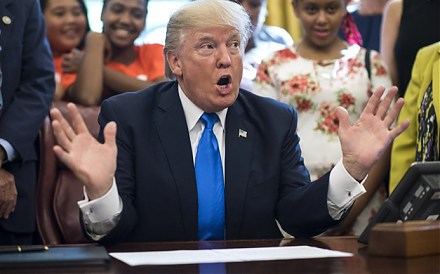
President Donald Trump has released his plan to slash income taxes for U.S. citizens and corporations. The corporate income tax rate will decline from 35% t
2019-10-15 09:13:00 Tuesday ET

U.K. prime minister Boris Johnson encounters defeat during his new premiership. The first major vote would pave the path of least resistance to passing a no