
2019-10-15 09:13:00 Tue ET
technology social safety nets education infrastructure health insurance health care medical care medication vaccine social security pension deposit insurance
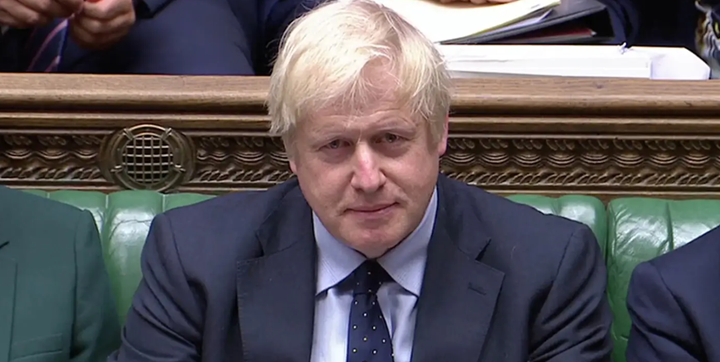
U.K. prime minister Boris Johnson encounters defeat during his new premiership. The first major vote would pave the path of least resistance to passing a no-deal Brexit in late-October 2019. In addition to losing this vote, Johnson also loses the Conservative one-person majority as Conservative MP Phillip Lee crosses the floor to join the Liberal Democrats. In light of this parliamentary change, Johnson seeks a general election in mid-October 2019 and further threatens to eject all of the 21 Conservative MPs who oppose a hard Brexit.
In response, the opposition parties support setting in stone anti-no-deal Brexit law. The British parliament blocks Brexit with no deal with the European Union, and the House of Lords must give assent to legislate this outcome. Moreover, the British parliament prevents Johnson from instituting a snap general election.
Johnson experiences 3 parliamentary rebukes in 2 consecutive days at the early stage of his new premiership. In reality, there are good economic reasons for anti-Brexit investor anxiety and even a second referendum. Stock market analysts and currency strategists fear that Brexit would lead to substantial trade retrenchment, substantial British pound volatility, and financial capital exodus. After all, European Union remains the biggest trade bloc for Britain.
If any of our AYA Analytica financial health memos (FHM), blog posts, ebooks, newsletters, and notifications etc, or any other form of online content curation, involves potential copyright concerns, please feel free to contact us at service@ayafintech.network so that we can remove relevant content in response to any such request within a reasonable time frame.
2018-12-15 14:38:00 Saturday ET
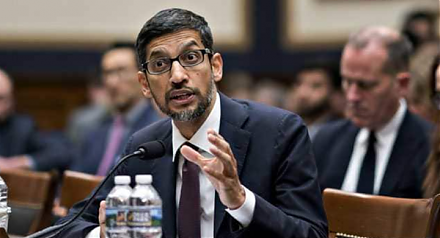
Google CEO Sundar Pichai makes his debut testimony before Congress. The post-mid-term-election House Judiciary Committee bombards Pichai with key questions
2018-01-25 08:32:00 Thursday ET

After its flagship iPhone X launch, Apple reports its highest quarterly sales revenue over $80 billion in the tech titan's 41-year history. Apple expect
2019-04-11 07:35:00 Thursday ET

European Central Bank designs its current monetary policy reaction function and interest rate forward guidance in response to key delays in inflation conver
2020-03-05 08:28:00 Thursday ET

The Stanford computer science overlords Larry Page and Sergey Brin design and develop Google as an Internet search company. Janet Lowe (2009) Google s
2022-10-05 08:24:00 Wednesday ET

Precautionary-motive and agency reasons for corporate cash management Bates, Kahle, and Stulz (JF 2009) empirically find that public firms have doubled t
2018-02-03 07:42:00 Saturday ET
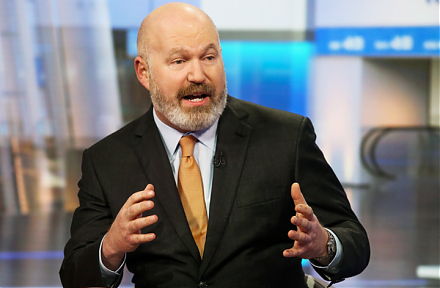
Quant Quake 2.0 shakes investor confidence with rampant stock market fears and doubts during the recent Fed Chair transition from Janet Yellen to Jerome Pow