
2017-02-25 06:44:00 Sat ET
treasury deficit debt employment inflation interest rate macrofinance fiscal stimulus economic growth fiscal budget public finance treasury bond treasury yield sovereign debt sovereign wealth fund tax cuts government expenditures

As the White House economic director, Gary Cohn suggests that the Trump administration will tackle tax cuts after the administration *repeals and replaces* Obamacare.
The dynamic scoring modus operandi helps economic advisors assess both costs and benefits to ensure tax-revenue neutrality over a 10-year period.
A border adjustment tax on most imports from China, Mexico, Japan, and other countries will be a major source of public finance for this fiscal tax optimization.
Subsequent greenback appreciation can then neutralize the inflationary effect of this border tax.
The current interest rate hike will contribute to this dollar appreciation for better current-account neutrality.
Mainstream media has speculated that Gary Cohn might be a good candidate under consideration for the top post of the Federal Reserve after Janet Yellen steps down as Fed Chair in February 2018. However, President Trump should probably keep Cohn in his current role as White House chief economist to lead the fiscal tax overhaul program through congressional confirmation and scrutiny.
If any of our AYA Analytica financial health memos (FHM), blog posts, ebooks, newsletters, and notifications etc, or any other form of online content curation, involves potential copyright concerns, please feel free to contact us at service@ayafintech.network so that we can remove relevant content in response to any such request within a reasonable time frame.
2017-11-23 10:42:00 Thursday ET

As the TV host of Mad Money, Jim Cramer provides 5 key reasons against the purchase and use of cryptocurrencies such as Bitcoin. First, no one knows the ano
2020-04-24 11:33:00 Friday ET

Disruptive innovations tend to contribute to business success in new blue-ocean markets after iterative continuous improvements. Clayton Christensen and
2018-02-19 08:39:00 Monday ET

Snap cannot keep up with the Kardashians because its stock loses market value 7% or $1 billion after Kylie Jenner tweets about her decision to leave Snapcha
2019-05-21 12:37:00 Tuesday ET

Chicago finance professor Raghuram Rajan shows that free markets need populist support against an unholy alliance of private-sector and state elites. When a
2019-10-27 17:37:00 Sunday ET
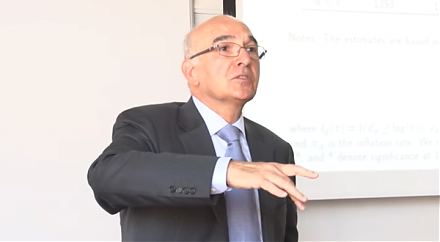
International climate change can cause an adverse impact on long-term real GDP economic growth. USC climate change economist Hashem Pesaran and his co-autho
2019-08-07 08:32:00 Wednesday ET
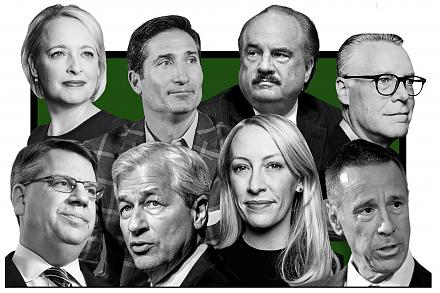
Our fintech finbuzz analytic report shines fresh light on the current global economic outlook. As of Summer-Fall 2019, the current analytic report focuses o