
2018-05-19 09:29:00 Sat ET
technology antitrust competition bilateral trade free trade fair trade trade agreement trade surplus trade deficit multilateralism neoliberalism world trade organization regulation public utility current account compliance
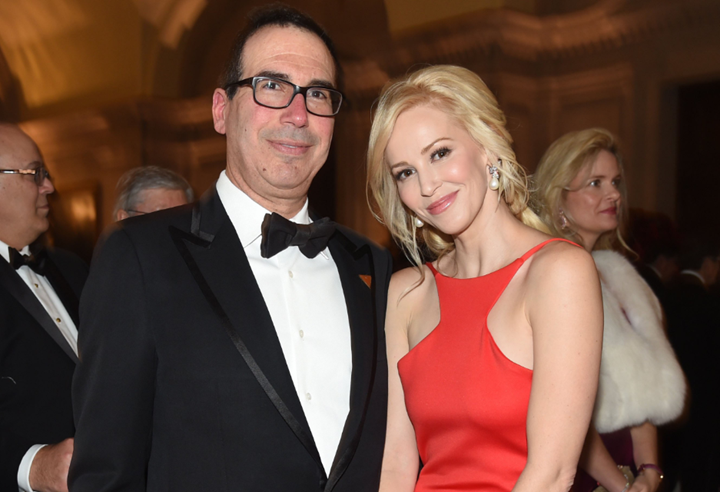
Treasury Secretary Steve Mnuchin indicates that the Trump team puts the trade war with China on hold. The interim suspension of U.S. tariffs should offer investors relief over core trade war concerns. The Sino-American trade ceasefire affirms the essential need for both sides of trade negotiators to establish a new framework in order to address bilateral trade imbalances in the future.
As a result, the major stock market indices such as Dow Jones, NYSE, NASDAQ, and AMEX, and S&P 500 reap hefty gains in recent times. However, the U.S. still expects to confirm its near-term plan of imposing steel and aluminum tariffs on the European Union.
News sources suggest that the Trump team may consider imposing another round of $50 billion to $200 billion tariffs on Chinese goods and services. Meanwhile, the Trump team demands China to commit to reducing the $335 billion trade deficit by at least $200 billion, but both sides cite no dollar figure in the key trade truce. After these direct trade talks in Washington, China agrees to significantly increase its purchases of U.S. goods and services in order to reduce the Chinese trade surplus. On balance, the fundamental issue revolves around how America induces China to comply with rigorous laws and regulations on intellectual property protection.
If any of our AYA Analytica financial health memos (FHM), blog posts, ebooks, newsletters, and notifications etc, or any other form of online content curation, involves potential copyright concerns, please feel free to contact us at service@ayafintech.network so that we can remove relevant content in response to any such request within a reasonable time frame.
2019-11-03 12:30:00 Sunday ET
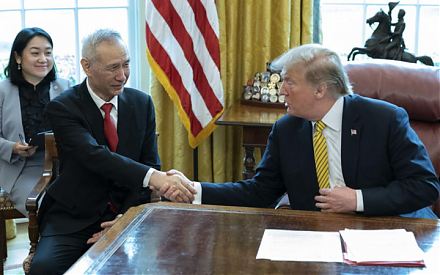
Chinese trade delegation offers to boost purchases of U.S. agricultural products to reach an interim trade deal with the Trump administration. Chinese Vice
2019-06-30 12:37:00 Sunday ET

AYA Analytica finbuzz podcast channel on YouTube June 2019 In this podcast, we discuss several topical issues as of June 2019: (1) Federal Reserve h
2019-08-07 08:32:00 Wednesday ET
Our fintech finbuzz analytic report shines fresh light on the current global economic outlook. As of Summer-Fall 2019, the current analytic report focuses o
2019-07-07 18:36:00 Sunday ET

The Chinese central bank has to circumvent offshore imports-driven inflation due to Renminbi currency misalignment. Even though China keeps substantial fore
2025-10-02 12:31:00 Thursday ET

Stock Synopsis: With a new Python program, we use, adapt, apply, and leverage each of the mainstream Gemini Gen AI models to conduct this comprehensive fund
2023-03-28 11:30:00 Tuesday ET
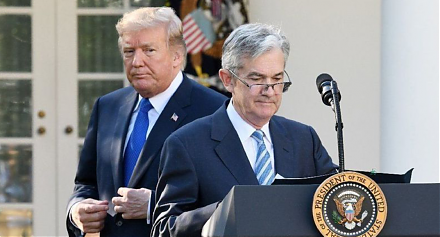
The Federal Reserve System conducts monetary policy decisions, interest rate adjustments, and inter-bank payment operations. Peter Conti-Brown (2017)