
2019-02-02 11:36:00 Sat ET
technology antitrust competition bilateral trade free trade fair trade trade agreement trade surplus trade deficit multilateralism neoliberalism world trade organization regulation public utility current account compliance

The Trump administration teams up with western allies to bar HuaWei and other Chinese tech firms from building the 5G high-speed infrastructure due to national economic security concerns. Justice Department unseals a pair of cases against HuaWei. The first indictment accuses HuaWei of trying to steal trade secrets from T-Mobile by promising obscene bonuses to former employees who would collect confidential information on telecom competitors. The second indictment suggests that HuaWei might have worked to skirt U.S. economic sanctions on Iran.
Robert Williams, executive director at Yale Law School and former consultant to the U.S. State Department, suggests that these criminal investigations should not be viewed as part of the Sino-American trade negotiations because the U.S. law enforcement takes place well in advance of bilateral trade discussions. The Trump administration now asks its western allies from Britain and Canada to France and Germany to ban HuaWei and Ant Financial Group from getting access to critical technologies such as 5G high-speed telecom networks, fintech payment solutions, smart sensors, and autonomous robots and vehicles. This case indicates potential fraud on the part of HuaWei CFO and so sends a negative signal that China might rip off American tech firms with chronic trade deficits and tech transfer practices.
If any of our AYA Analytica financial health memos (FHM), blog posts, ebooks, newsletters, and notifications etc, or any other form of online content curation, involves potential copyright concerns, please feel free to contact us at service@ayafintech.network so that we can remove relevant content in response to any such request within a reasonable time frame.
2023-11-21 11:32:00 Tuesday ET

Nobel Laureate Paul Milgrom explains the U.S. incentive auction of wireless spectrum allocation from TV broadcasters to telecoms. Paul Milgrom (2019)
2019-08-07 08:32:00 Wednesday ET
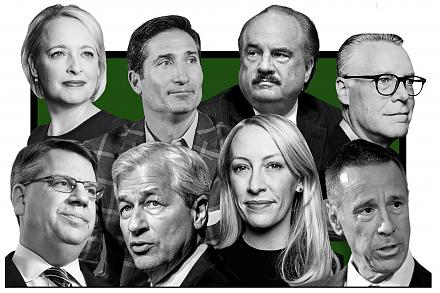
Our fintech finbuzz analytic report shines fresh light on the current global economic outlook. As of Summer-Fall 2019, the current analytic report focuses o
2027-04-30 12:31:00 Friday ET
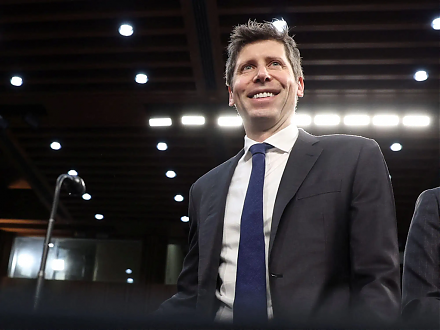
In recent years, the current AI-driven stock market rally may or may not turn out to be another major asset bubble in global human history. For the pract
2020-08-19 10:32:00 Wednesday ET

Corporate strategies, portfolio choices, and management memes add value and drive business process improvements over time. Andrew Campbell, Jo Whitehead,
2019-06-21 13:33:00 Friday ET
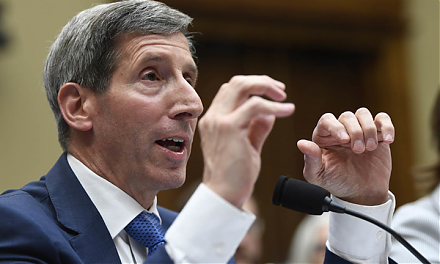
Amazon and Google face more intense antitrust scrutiny. In recent times, Justice Department and Federal Trade Commission have reached an internal agreement
2018-08-15 14:40:00 Wednesday ET
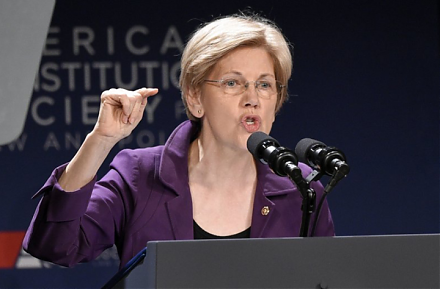
Senator Elizabeth Warren advocates the alternative view that most U.S. trade deals serve corporate interests over workers, customers, and suppliers etc. She