
2019-05-15 12:32:00 Wed ET
technology social safety nets education infrastructure health insurance health care medical care medication vaccine social security pension deposit insurance

The May administration needs to seek a fresh fallback option for Halloween Brexit. After the House of Commons rejects Brexit proposals from the May administration at least 3 times, the E.U. agrees to the subsequent May request of a long extension of Brexit to late-October 2019. The Brexit bill or withdrawal agreement may involve a gross amount of €100 billion. Net of some U.K. assets, the final bill would involve about €55 billion to €75 billion. The key withdrawal transfer funds can contribute to better British health care, social welfare, infrastructure, taxation, and other aspects of public finance. In the prior Brexit referendum, supportive sentiments arise from a wide variety of socioeconomic factors such as the European sovereign debt crisis, immigration, terrorism, and E.U. bureaucracy. Also, Britons primarily use the British pound, so the U.K. has never been part of the E.U. monetary union.
However, Brexit may be detrimental to cross-border trade for the U.K. because the Eurozone remains the primary trade bloc to the country. When the European Union affirms a long extension to Halloween Brexit, the U.K. prime minister Theresa May either gives up her public governance role or seeks a fresh fallback option.
If any of our AYA Analytica financial health memos (FHM), blog posts, ebooks, newsletters, and notifications etc, or any other form of online content curation, involves potential copyright concerns, please feel free to contact us at service@ayafintech.network so that we can remove relevant content in response to any such request within a reasonable time frame.
2018-05-19 09:29:00 Saturday ET
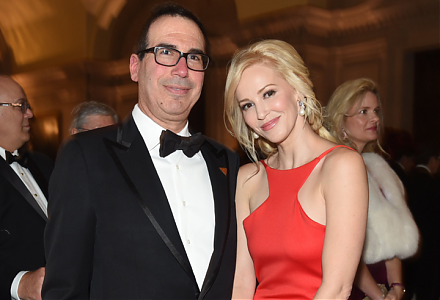
Treasury Secretary Steve Mnuchin indicates that the Trump team puts the trade war with China on hold. The interim suspension of U.S. tariffs should offer in
2023-06-14 10:26:00 Wednesday ET

Daron Acemoglu and James Robinson show that good inclusive institutions contribute to better long-run economic growth. Daron Acemoglu and James Robinson
2019-03-21 12:33:00 Thursday ET
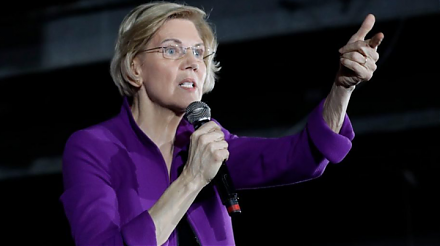
Senator Elizabeth Warren proposes breaking up key tech titans such as Facebook, Apple, Microsoft, Google, and Amazon (FAMGA). These tech titans have become
2018-09-09 13:42:00 Sunday ET

Warren Buffett shares his key insights into life, success, money, and interpersonal communication. Institutional money managers and retail investors ca
2018-07-30 11:36:00 Monday ET
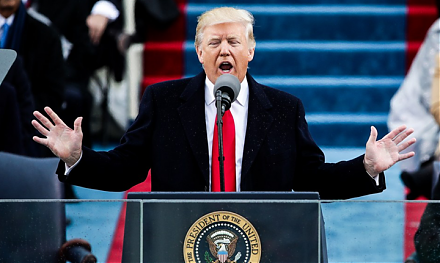
Trumpism may now become the new populist world order of economic governance. Populist support contributes to Trump's 2016 presidential election victory
2019-10-21 10:35:00 Monday ET

American state attorneys general begin bipartisan antitrust investigations into the market power and corporate behavior of central tech titans such as Apple