
2017-10-27 06:35:00 Fri ET
stock market gold oil stock return s&p 500 asset market stabilization asset price fluctuations stocks bonds currencies commodities funds term spreads credit spreads fair value spreads asset investments
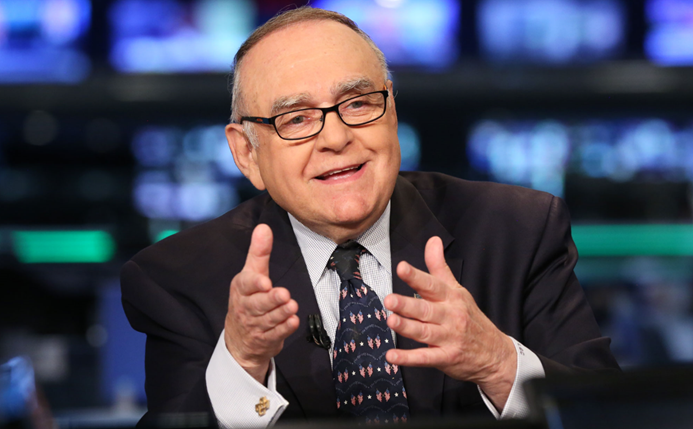
Leon Cooperman, Chairman and CEO of Omega Advisors, points out that the current Trump stock market rally now approaches normalization. The U.S. stock market is neither cheap nor expensive with a forward P/E ratio of 22x, which is a little higher than the long-run average P/E ratio of 16x to 18x. Most conditions for a bearish stock market correction are not present. For instance, bull markets typically end in overvaluation, whereas, Cooperman shares his wise and upbeat observation that the current stock market rally can continue north for another 15% margin. However, Cooperman suggests several reasons for bear markets:
(1) Inflation should accelerate for substantial interest rate liftoff;
(2) The relative likelihood of an NBER recession becomes real;
(3) The Federal Reserve becomes hawkish and aggressive; and
(4) Some major geopolitical event reverberates across America.
Despite these reasons for bearish stock market normalization, we expect the Trump stock market rally to continue insofar as the Federal Reserve gradually implements the interest rate hike once in December 2017 and then 3 to 4 times in 2018 with target core inflation around 2% to 2.5%, especially in the absence of any clear and present dangers in the quasi-diplomatic relations between the U.S. and *nuclear nations* such as North Korea and Iran.
If any of our AYA Analytica financial health memos (FHM), blog posts, ebooks, newsletters, and notifications etc, or any other form of online content curation, involves potential copyright concerns, please feel free to contact us at service@ayafintech.network so that we can remove relevant content in response to any such request within a reasonable time frame.
2018-04-20 10:38:00 Friday ET
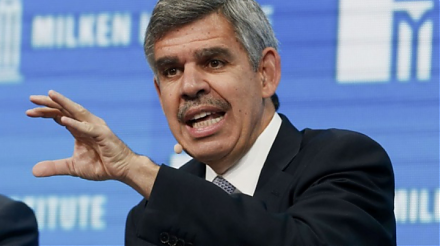
Allianz chairman Mohamed El-Erian bolsters a new American economic paradigm in lieu of the Washington consensus. The latter dominates the old school of thou
2025-10-03 10:31:00 Friday ET

Stock Synopsis: With a new Python program, we use, adapt, apply, and leverage each of the mainstream Gemini Gen AI models to conduct this comprehensive fund
2025-10-12 13:32:00 Sunday ET

Stock Synopsis: With a new Python program, we use, adapt, apply, and leverage each of the mainstream Gemini Gen AI models to conduct this comprehensive fund
2018-02-07 06:38:00 Wednesday ET
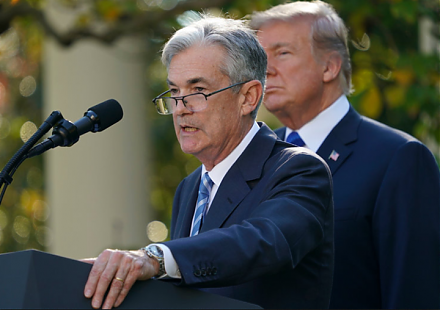
The new Fed chairman Jerome Powell faces a new challenge in the form of both core CPI and CPI inflation rate hikes toward 1.8%-2.1% year-over-year with stro
2019-08-16 17:37:00 Friday ET

Amazon faces E.U. antitrust scrutiny over the current e-commerce use of merchant data. The European Commission probes into whether Amazon uses key third-par
2018-06-06 09:39:00 Wednesday ET
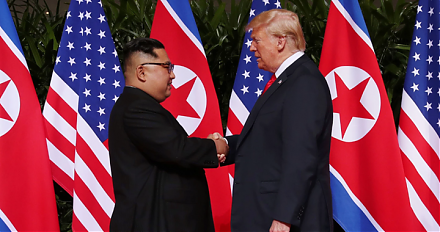
Donald Trump and Kim Jong Un meet, talk, and shake hands in the historic peace summit between America and North Korea in Singapore. At the start of the bila