
2019-11-01 12:31:00 Fri ET
trust perseverance resilience empathy compassion passion purpose vision mission life metaphors seamless integration critical success factors personal finance entrepreneur inspiration grit
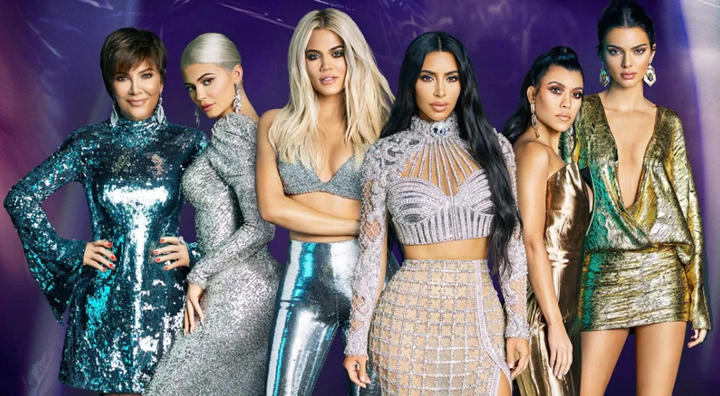
Kourtney Kardashian shares the best money advice from her father. This advice reminds her that money just cannot buy happiness. As the eldest of the Kardashian clan, Kourtney Kardashian has 3 children and personal net worth of $35 million on Money.com. She has almost 82 million followers on Instagram.
Kourtney Kardashian is not the richest of the Kardashian empire, which includes Kris Jenner, Kim Kardashian West, Khloe Kardashian, and Kylie Jenner. In terms of personal wealth, Kylie Jenner tops the Kardashian clan and is now the youngest self-made billionaire.
Kourtney Kardashian runs her latest business venture Poosh as an online health and wellness website. She keeps the long-term consensus view that new business ventures sometimes can take a bit longer to return cash flows in accordance with most generic expectations.
In the modern age of digital technology proliferation, people have a short attention span and often prefer immediate gratification and the early resolution of uncertainty. Kourtney Kardashian further shares the personal finance tip that people should be more conscious of day-to-day expenses by retaining small increments of cash as emergency funds. People should learn to delay gratification and early harvest to reap rewards over the longer run. Patience pays well in time.
If any of our AYA Analytica financial health memos (FHM), blog posts, ebooks, newsletters, and notifications etc, or any other form of online content curation, involves potential copyright concerns, please feel free to contact us at service@ayafintech.network so that we can remove relevant content in response to any such request within a reasonable time frame.
2022-03-25 09:34:00 Friday ET

Corporate cash management The empirical corporate finance literature suggests four primary motives for firms to hold cash. These motives include the tra
2025-01-22 08:35:08 Wednesday ET
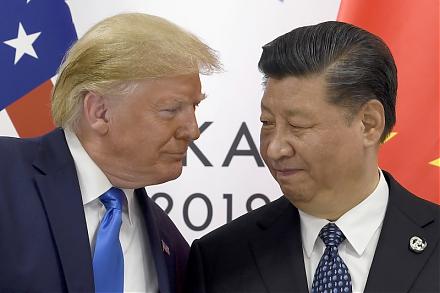
President Donald Trump blames China for the long prevalent U.S. trade deficits and several other social and economic deficiencies. In recent years, Pres
2022-05-25 09:31:00 Wednesday ET

Net stock issuance theory and practice Net equity issuance can be in the form of initial public offering (IPO) or seasoned equity offering (SEO). This l
2024-04-02 04:45:41 Tuesday ET
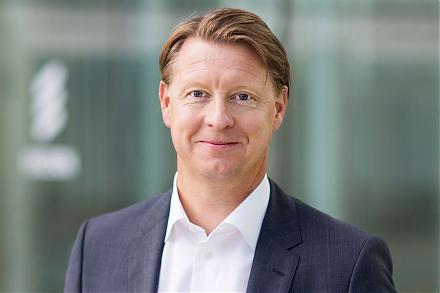
Stock Synopsis: High-speed 5G broadband and mobile cloud telecommunication In the U.S. telecom industry for high-speed Internet connections and mobile cl
2019-03-25 17:30:00 Monday ET
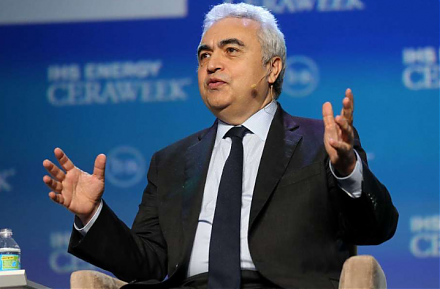
America seeks to advance the global energy dominance agenda by toppling Saudi Arabia as the top oil exporter by 2024. The International Energy Agency (IEA)
2018-07-30 11:36:00 Monday ET

Trumpism may now become the new populist world order of economic governance. Populist support contributes to Trump's 2016 presidential election victory