
2017-11-24 08:41:00 Fri ET
stock market competition macrofinance stock return s&p 500 financial crisis financial deregulation bank oligarchy systemic risk asset market stabilization asset price fluctuations regulation capital financial stability dodd-frank
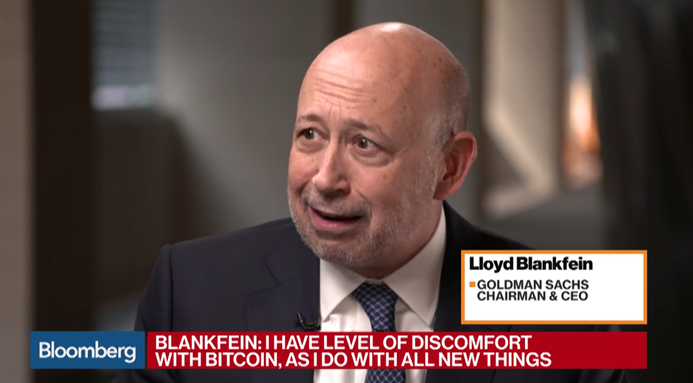
Is Bitcoin a legitimate (crypto)currency or a new bubble waiting to implode? As its prices skyrocket, bankers, pundits, and investors increasingly take sides. In accordance with Warren Buffett's intrinsic value philosophy, Bitcoin should not be viewed as a valuable asset because Bitcoin cannot yield future cash flows. Further, several bankers and experts such as Brian Moynihan (Bank of America CEO), Jamie Dimon (JPMorgan Chase CEO), Bill Dudley (New York Fed CEO), and Joseph Stiglitz (Nobel Laureate) emphasize that Bitcoin cannot be a stable store of value in light of its volatile price movements and technical impediments for Bitcoin to be a long-term viable legal tender. Nobel Laureate Robert Shiller regards Bitcoin as the modern epitome of a speculative asset bubble.
In contrast to this rather pessimistic view, many other proponents suggest that Bitcoin can serve as an alternative virtual currency in addition to legal tender in the current global payments system (especially for many emerging economies with weak legal rules, institutions, and unstable currencies). These proponents include Christine Lagarde (IMF Executive Director), Mark Cuban (VC billionaire), Peter Thiel (PayPal co-founder and VC billionaire), Bill Gates (Microsoft founder and philanthropist), Eric Schmidt (Alphabet chairman), Richard Branson (Virgin Group founder), Mark Carney (Governor of Bank of England), and so forth.
Time will tell whether Bitcoin will become a successful cryptocurrency!!
If any of our AYA Analytica financial health memos (FHM), blog posts, ebooks, newsletters, and notifications etc, or any other form of online content curation, involves potential copyright concerns, please feel free to contact us at service@ayafintech.network so that we can remove relevant content in response to any such request within a reasonable time frame.
2019-03-03 10:39:00 Sunday ET

Tech companies seek to serve as quasi-financial intermediaries. Retail traders can list items for sale on eBay and then acquire these items economically on
2026-05-02 10:28:00 Saturday ET
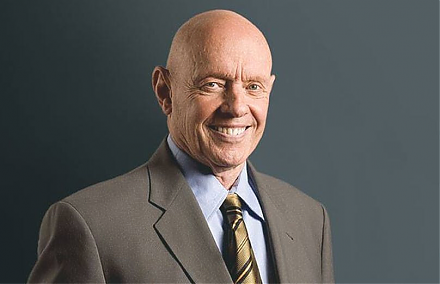
Stephen Covey recommends the 8th habit for effective team leaders to find their own voices (in addition to the 7 habits of highly effective people). In esse
2023-06-07 10:27:00 Wednesday ET

Anat Admati and Martin Hellwig raise broad critical issues about bank capital regulation and asset market stabilization. Anat Admati and Martin Hellwig (
2020-10-13 08:27:00 Tuesday ET

Agile lean enterprises strive to design radical business models to remain competitive in the face of nimble startups and megatrends. Carsten Linz, Gunter
2019-01-21 10:37:00 Monday ET

Andy Yeh Alpha (AYA) AYA Analytica financial health memo (FHM) podcast channel on YouTube January 2019 In this podcast, we discuss several topical issues
2020-03-26 10:31:00 Thursday ET

The unique controversial management style of Steve Jobs helps translate his business acumen into smart product development. Jay Elliot (2012) Leading