
2019-06-25 10:34:00 Tue ET
trust perseverance resilience empathy compassion passion purpose vision mission life metaphors seamless integration critical success factors personal finance entrepreneur inspiration grit

Investing in stocks is the best way for people to become self-made millionaires. A recent Gallup poll indicates that only 37% of young Americans below the age of 36 own stocks, whereas, about 61% of Americans over the age of 35 own stocks in the same period from 2017 to 2019. This evidence suggests that most Americans fail to leverage the U.S. stock market as a worthy investment vehicle. The magical power of compound interest exponentially contributes to wealth accumulation.
For instance, if a young investor saves $100 per week to earn an 11% stock market average return each year, he or she can receive about $1.2 million after 30 years. This financial discipline requires automatic money transfers on a periodic basis. In other words, most people can consistently invest a small amount of spare money with great discipline to reap exponential cash rewards at retirement age. Moreover, these wise investors can smooth out most extreme stock price gyrations by waiting patiently to accrue compound interest on regular stock investments. As compound interest snowballs into greater amounts of stock bets, both principal and interest payments roll over and become substantial lump sums after a sufficiently long time span.
If any of our AYA Analytica financial health memos (FHM), blog posts, ebooks, newsletters, and notifications etc, or any other form of online content curation, involves potential copyright concerns, please feel free to contact us at service@ayafintech.network so that we can remove relevant content in response to any such request within a reasonable time frame.
2019-05-15 12:32:00 Wednesday ET

The May administration needs to seek a fresh fallback option for Halloween Brexit. After the House of Commons rejects Brexit proposals from the May administ
2023-02-03 08:27:00 Friday ET
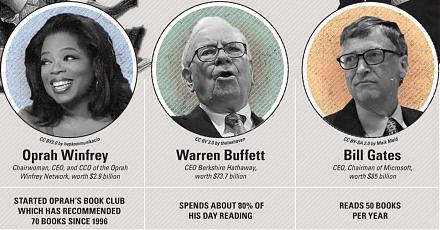
Our proprietary alpha investment model outperforms most stock market indices from 2017 to 2023. Our proprietary alpha investment model outperforms the ma
2019-06-17 11:25:00 Monday ET

To secure better economic arrangements with European Union, Jeremy Corbyn encourages Labour legislators to back a second referendum on Brexit. In recent tim
2020-09-03 10:26:00 Thursday ET

Agile business firms beat the odds by building faster institutional reflexes to anticipate plausible economic scenarios. Christopher Worley, Thomas Willi
2019-10-05 07:27:00 Saturday ET
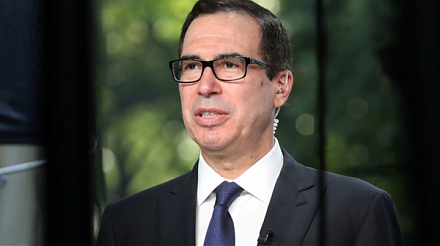
Treasury Secretary Steven Mnuchin indicates that there is a good conceptual trade agreement between China and the U.S. in regard to intellectual property pr
2019-05-13 12:38:00 Monday ET

Brent crude oil prices spike to $70-$75 per barrel after the Trump administration stops waiving economic sanctions on Iranian oil exports. U.S. State Secret