
2018-03-11 08:27:00 Sun ET
trust perseverance resilience empathy compassion passion purpose vision mission life metaphors seamless integration critical success factors personal finance entrepreneur inspiration grit
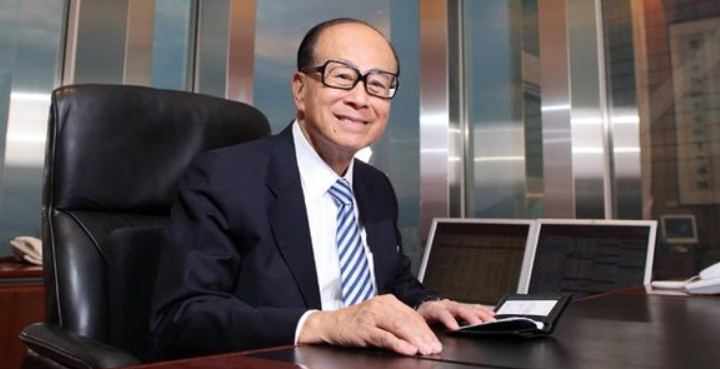
At 89 years old, Hong Kong billionaire Li Ka-Shing announces his retirement in March 2018. With a personal net worth of $35 billion, Li has an incredible rags-to-riches life story of growing his business conglomerate HK Hutchinson. His 53-year-old son Victor Li will take over the conglomerate with 323,000 employees across 50 countries worldwide. The Li business empire ranges from energy to real estate property and technology.
Li is the epitome of hard work and persistence. From his young age 35 to present, Li commits to working 16 hours per day and 7 days per week. Meanwhile, however, Li engages in healthy exercises daily to stay fit.
Throughout his rags-to-riches life story, Li successfully transitions from dropping out of school as a child to support his family to becoming the first person of Chinese origin to buy one of the British-built Hong Kong companies since the colonial era. In fact, Li pledges to devote the rest of his life to charitable causes. The Li Ka Shing Foundation continues to invest in basic education, poverty prevention, and disease eradication etc.
If any of our AYA Analytica financial health memos (FHM), blog posts, ebooks, newsletters, and notifications etc, or any other form of online content curation, involves potential copyright concerns, please feel free to contact us at service@ayafintech.network so that we can remove relevant content in response to any such request within a reasonable time frame.
2020-02-19 14:35:00 Wednesday ET

The U.S. bank oligarchy has become bigger, more profitable, and more resistant to public regulation after the global financial crisis. Simon Johnson and
2022-03-05 09:27:00 Saturday ET

Addendum on empirical tests of multi-factor models for asset return prediction Fama and French (2015) propose an empirical five-factor asset pricing mode
2019-10-11 13:40:00 Friday ET

Apple CEO Tim Cook maintains a frugal low-key lifestyle. With $625 million public wealth, Cook leads the $1 trillion tech titan Apple in the post-Jobs era.
2017-11-27 07:39:00 Monday ET
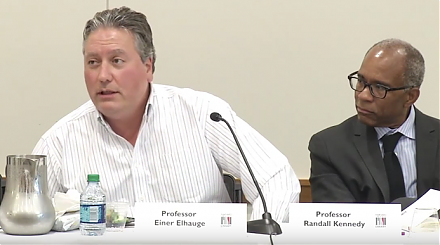
Is it anti-competitive and illegal for passive indexers and mutual funds to place large stock bets in specific industries with high market concentration? Ha
2019-09-30 07:33:00 Monday ET
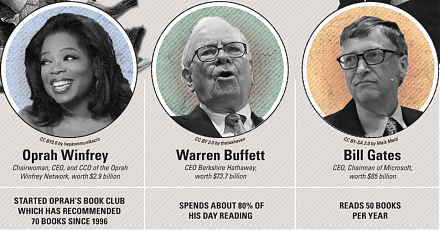
AYA Analytica finbuzz podcast channel on YouTube September 2019 In this podcast, we discuss several topical issues as of September 2019: (1) Former
2023-02-07 08:26:00 Tuesday ET

Michel De Vroey delves into the global history of macroeconomic theories from real business cycles to persistent monetary effects. Michel De Vroey (2016)