
2017-08-07 09:39:00 Mon ET
stock market gold oil stock return s&p 500 asset market stabilization asset price fluctuations stocks bonds currencies commodities funds term spreads credit spreads fair value spreads asset investments
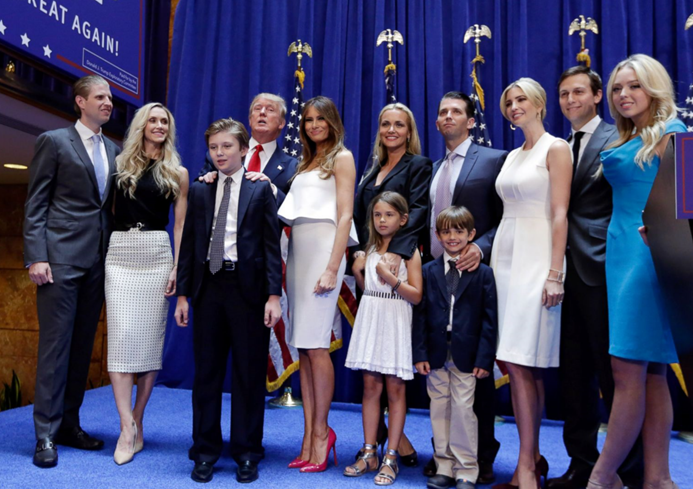
Global financial markets suffer as President Trump promises *fire and fury* in response to the recent report that North Korea has successfully miniaturized nuclear warheads to place on intercontinental ballistic missiles (ICBMs) in the face of new economic sanctions. Trump follows up with inaccurate tweets about the more powerful U.S. nuclear arsenal, whereas, State Secretary Rex Tillerson and Defense Secretary Jim Mattis both urge de-escalating the current situation and warn against North Korea's prospective nuclear threats and missile strikes near the U.S. military bases in Guam. In the presence of the dictatorial regime's ICBMs and nuclear threats, the current standoff might eventually become the Nash equilibrium of mutually-assured destruction (MAD).
This deterrence doctrine helps prevent subsequent escalation and belligerence on both sides (U.S. and North Korea now and U.S. and Russia in the cold war and the Cuban missile crisis). Due to this imminent political complexity, global stock markets experience a pervasive decline in market valuation. This decline may be a temporary dip, and this transience can be a valuable stock investment opportunity for the typical contrarian investor.
If any of our AYA Analytica financial health memos (FHM), blog posts, ebooks, newsletters, and notifications etc, or any other form of online content curation, involves potential copyright concerns, please feel free to contact us at service@ayafintech.network so that we can remove relevant content in response to any such request within a reasonable time frame.
2018-04-29 13:44:00 Sunday ET

College education offers a hefty 8.8% pay premium for each marginal increase in the number of years of intellectual attainment in contrast to the 5.6%-6% lo
2017-09-03 10:44:00 Sunday ET
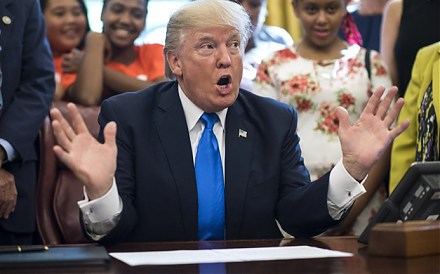
President Donald Trump has released his plan to slash income taxes for U.S. citizens and corporations. The corporate income tax rate will decline from 35% t
2018-11-07 08:30:00 Wednesday ET

PwC releases a new study of top innovators worldwide as of November 2018. This study assesses the top 1,000 global companies that spend the most on R&D
2019-07-30 15:33:00 Tuesday ET

All of the 18 systemically important banks pass the annual Federal Reserve stress tests. Many of the largest lenders announce higher cash payouts to shareho
2017-11-03 06:41:00 Friday ET
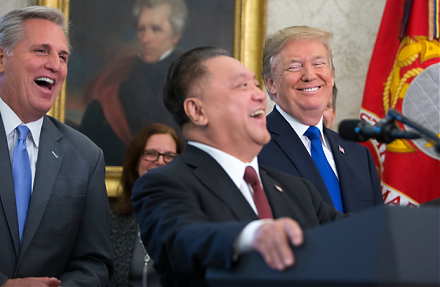
Broadcom, a one-time division of Hewlett-Packard and now a semiconductor maker whose chips help power iPhone X, has announced its strategic plans to move it
2019-10-19 16:35:00 Saturday ET

European economic integration seems to have gone backwards primarily due to the recent Brexit movement. Brexit, key European sovereign debt, and French and