
2018-12-05 09:38:00 Wed ET
stock market competition macrofinance stock return s&p 500 financial crisis financial deregulation bank oligarchy systemic risk asset market stabilization asset price fluctuations regulation capital financial stability dodd-frank
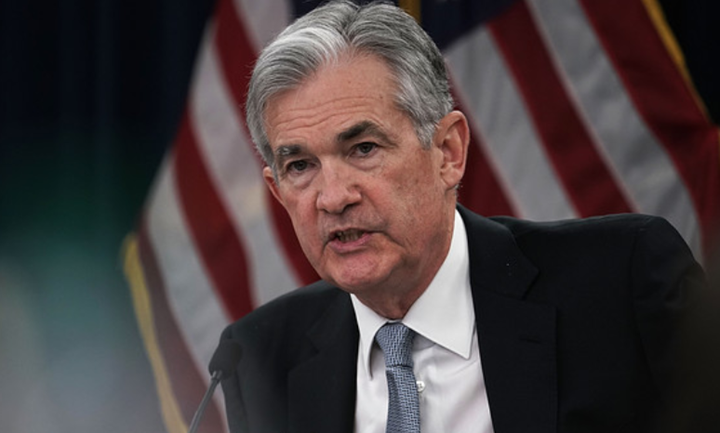
Federal Reserve publishes its inaugural flagship financial stability report. Fed Chair Jerome Powell applauds both low inflation (2%) and low unemployment (3.7%) as evidence of a robust U.S. economic outlook. Federal Reserve aims to continue the gradual interest rate hike to help the U.S. economy operate near full employment as the inflation rate rises above the symmetric 2% target threshold. The first-ever financial stability report warns of the economic dangers that lurk in corporate debt. Investors exhibit a high tolerance for risks in business debt as the corporate-debt-to-GDP ratio hits the historically high ratio of 0.45 with some signs of deterioration in credit standards. The same financial stability report finds less worrisome aspects in the U.S. financial system. Low household leverage better aligns with aggregate income, and the systemically-important financial institutions (SIFIs) carry higher equity capital buffers with liquid assets. Moreover, SIFIs have passed the Federal Reserve annual macro stress tests as of mid-2018.
Also, broker-dealer leverage is below the pre-crisis levels; insurers face favorable solvency positions; and money-market funds become less vulnerable to bank runs. Overall, the U.S. financial system seems sound and efficient, but high corporate leverage may crowd out public debt accumulation. The Trump administration thus needs a fair bit of fiscal discipline and prudence.
If any of our AYA Analytica financial health memos (FHM), blog posts, ebooks, newsletters, and notifications etc, or any other form of online content curation, involves potential copyright concerns, please feel free to contact us at service@ayafintech.network so that we can remove relevant content in response to any such request within a reasonable time frame.
2018-07-13 09:41:00 Friday ET
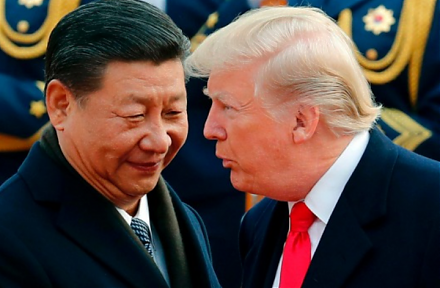
Yale economist Stephen Roach warns that America has much to lose from the current trade war with China for a few reasons. First, America is highly dependent
2019-04-01 08:28:00 Monday ET

OraSure and its subsidiary DNA Genotek specialize in the lean production of home DNA spit tubes. OraSure extracts core genetic information from microbiome s
2018-11-05 10:40:00 Monday ET
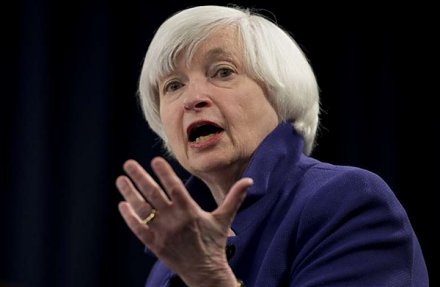
Former Fed Chair Janet Yellen worries about U.S. government debt accumulation, expects new interest rate increases, and warns of the next economic recession
2019-09-11 09:31:00 Wednesday ET

Central banks in India, Thailand, and New Zealand lower their interest rates in a defensive response to the Federal Reserve recent rate cut. The central ban
2019-10-03 17:39:00 Thursday ET
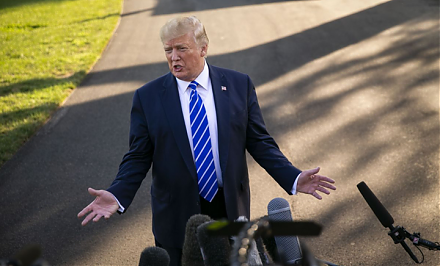
President Trump indicates that he would consider an interim Sino-American trade deal in lieu of a full trade agreement. The Trump administration defers high
2018-05-17 07:41:00 Thursday ET
Has America become a democratic free land of crumbling infrastructure, galloping income inequality, bitter political polarization, and dysfunctional governa