
2019-01-04 11:41:00 Fri ET
technology antitrust competition bilateral trade free trade fair trade trade agreement trade surplus trade deficit multilateralism neoliberalism world trade organization regulation public utility current account compliance
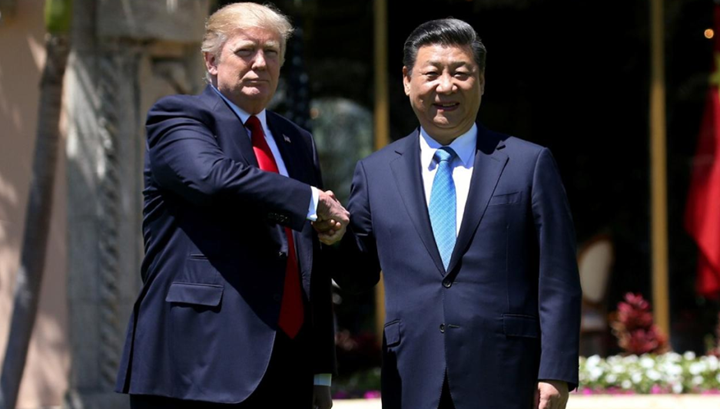
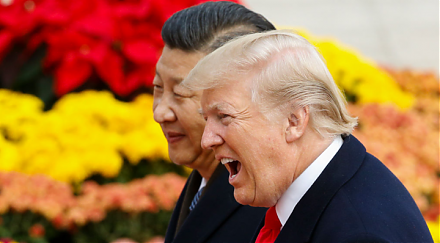
Chinese President Xi JingPing calls President Trump to reach Sino-American trade conflict resolution. Xi sends a congratulatory message to mark 40 years since the progressive normalization of diplomatic relations between China and America. In fact, cooperation is the best choice for both sides in light of bilateral trade history. As Xi politely urges the Trump administration to compromise on the bilateral trade standoff, Xi seeks to avert the unilateral U.S. imposition of hefty tariffs on Chinese goods. The reconciliatory gesture serves as a mild response to the previous Trump trade battle plan of raising 10%-to-25% tariffs on $200+ million Chinese goods.
Trump tariffs are detrimental to the Chinese economy because the Shanghai-and-Shenzhen composite stock market indices plunge double-digits with subpar 6.5% real GDP growth in 2018. During the current 90-day trade truce, both teams hope to reach an eventual trade agreement that would benefit both countries as early as possible. Both presidents express sincere goodwill to implement Sino-U.S. trade concessions made on the G20 summit sidelines in 2018Q4.
As U.S. trade rep Robert Lighthizer characterizes the risks of allowing China to join the World Trade Organization, trade alone cannot douse the flames of international rivalry, whereas, economic prosperity often contributes to bilateral conflict.
If any of our AYA Analytica financial health memos (FHM), blog posts, ebooks, newsletters, and notifications etc, or any other form of online content curation, involves potential copyright concerns, please feel free to contact us at service@ayafintech.network so that we can remove relevant content in response to any such request within a reasonable time frame.
2019-03-31 11:40:00 Sunday ET

AYA Analytica free finbuzz podcast channel on YouTube March 2019 In this podcast, we discuss several topical issues as of March 2019: (1) Sargent-Wallac
2018-06-04 08:38:00 Monday ET
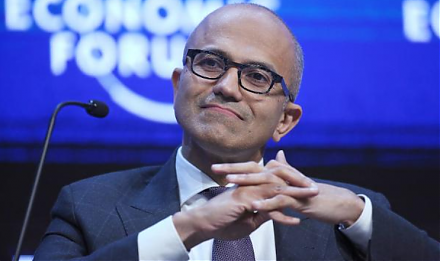
Microsoft acquires GitHub, a software development platform that has been widely shared-and-used by more than 28 million programmers worldwide. GitHub's
2018-05-08 13:39:00 Tuesday ET
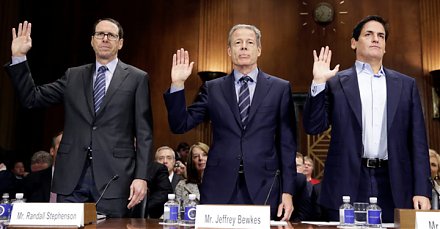
The Trump administration weighs the pros and cons of a potential mega merger between AT&T and Time Warner. Recent stock prices show favorable trends for
2025-10-09 11:30:00 Thursday ET
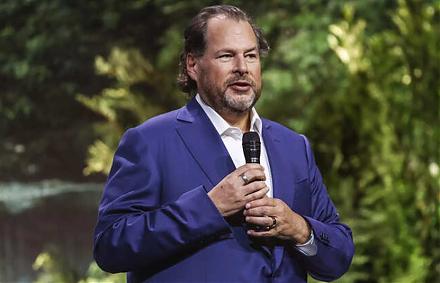
Stock Synopsis: With a new Python program, we use, adapt, apply, and leverage each of the mainstream Gemini Gen AI models to conduct this comprehensive fund
2019-04-15 08:37:00 Monday ET
Chinese Belt-and-Road funds large international infrastructure investment projects primarily in East Asia, Central Asia, North Africa, and Italy. Chinese Be
2025-10-07 10:30:00 Tuesday ET
Stock Synopsis: With a new Python program, we use, adapt, apply, and leverage each of the mainstream Gemini Gen AI models to conduct this comprehensive fund