
2018-07-01 08:34:00 Sun ET
federal reserve monetary policy treasury dollar employment inflation interest rate exchange rate macrofinance recession systemic risk economic growth central bank fomc greenback forward guidance euro capital global financial cycle credit cycle yield curve
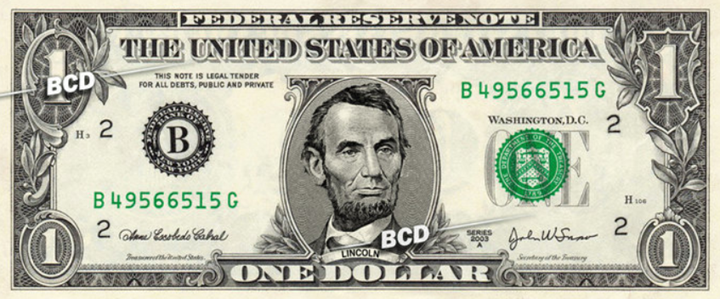
Are China and Russia etc gonna dethrone the petrodollar? Over the years, China, Russia, France, Germany, and Japan have made numerous attempts to use their own reserve currencies as the primary monetary basis for futures in oil, silver, steel, aluminum, and other metals. De-dollarization helps non-U.S. companies anchor their use and consumption of natural resources to more reliable reserve currencies due to zero exposure to foreign exchange risk. Durable de-dollarization depends on a credible disinflationary monetary policy conduct and specific microeconomic measures. Not only does this strategy contribute to better financial risk mitigation, this strategy helps minimize any abrupt impact of greenback gyrations on domestic demand for oil, steel, and other natural resources. Often times de-dollarization can be conducive to promoting better open exchange rate flexibility, macroeconomic stabilization, inflation moderation, and financial crisis containment.
Should these countries and regions mute their exposure to dollar fluctuations over time, the greenback may become less than the gold standard of universal currency. Chinese, Russian, and Japanese companies can better acquire pivotal resources with minimal currency risk, whereas, de-dollarization remains an open challenge for France, Germany, and other European countries in the post-Brexit era.
If any of our AYA Analytica financial health memos (FHM), blog posts, ebooks, newsletters, and notifications etc, or any other form of online content curation, involves potential copyright concerns, please feel free to contact us at service@ayafintech.network so that we can remove relevant content in response to any such request within a reasonable time frame.
2024-04-30 09:30:00 Tuesday ET

With clean and green energy resources and electric vehicles, the global auto industry now navigates at a newer and faster pace. Both BYD and Tesla have
2019-03-31 11:40:00 Sunday ET

AYA Analytica free finbuzz podcast channel on YouTube March 2019 In this podcast, we discuss several topical issues as of March 2019: (1) Sargent-Wallac
2018-03-05 07:34:00 Monday ET

Peter Thiel shares his money views of President Trump, Facebook, Bitcoin, global finance, and trade etc. As an early technology adopter, Thiel invests in Fa
2018-11-30 12:42:00 Friday ET

Andy Yeh Alpha (AYA) AYA Analytica financial health memo (FHM) podcast channel on YouTube November 2018 AYA Analytica is our online regular podcast and news
2019-09-25 15:33:00 Wednesday ET
Product market competition and online e-commerce help constrain money supply growth with low inflation. Key e-commerce retailers such as Amazon, Alibaba, an
2019-01-13 12:37:00 Sunday ET

We need crowdfunds to support our next responsive web design and iOS and Android app development. Upon successful campaign completion, we will provide an eb