PRA Health Sciences, Inc. operates as a global contract research organizations providing outsourced clinical development services to the biotechnology and pharmaceutical industries. It offers therapeutic services in the areas of cardio-metabolic, biosimilars, infectious diseases, immunology, neurology and psychiatry, oncology and hematology, rare diseases, and respiratory needs. The Company engages in bioanalytical laboratory, clinical pharmacology, clinical development, strategic solutions, post marketing research, clinical informatics, clinical diagnostics, and safety and risk management activities. PRA Health Sciences, Inc. is based in Raleigh, North Carolina....
+See MoreSharpe-Lintner-Black CAPM alpha (Premium Members Only) Fama-French (1993) 3-factor alpha (Premium Members Only) Fama-French-Carhart 4-factor alpha (Premium Members Only) Fama-French (2015) 5-factor alpha (Premium Members Only) Fama-French-Carhart 6-factor alpha (Premium Members Only) Dynamic conditional 6-factor alpha (Premium Members Only) Last update: Saturday 17 October 2026
2019-12-30 11:28:00 Monday ET

AYA Analytica finbuzz podcast channel on YouTube December 2019 In this podcast, we discuss several topical issues as of December 2019: (1) The Trump adm
2019-04-15 08:37:00 Monday ET

Chinese Belt-and-Road funds large international infrastructure investment projects primarily in East Asia, Central Asia, North Africa, and Italy. Chinese Be
2017-11-27 07:39:00 Monday ET

Is it anti-competitive and illegal for passive indexers and mutual funds to place large stock bets in specific industries with high market concentration? Ha
2019-04-25 09:35:00 Thursday ET
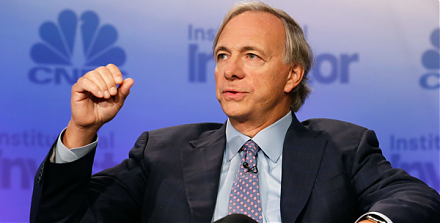
Bridgewater hedge fund founder Ray Dalio suggests that the current state of U.S. capitalism poses an existential threat for many Americans. Dalio deems the
2022-10-15 09:34:00 Saturday ET

Internal capital markets and financial constraints Duchin (JF 2010) empirically finds that multidivisional firms with robust internal capital markets ret
2018-04-29 13:44:00 Sunday ET

College education offers a hefty 8.8% pay premium for each marginal increase in the number of years of intellectual attainment in contrast to the 5.6%-6% lo
 Reports
 Metrics
 Events
 AI Stock Synopses