
China HGS Real Estate Inc., formerly known as China Agro Sciences Corp., is a real estate developer. The Company is engaged in developing large scale commercial and residential projects through its fully owned subsidiary Shaanxi Guangsha Investment and Development Group Co., Ltd. Its projects include multi-layer apartment buildings and office buildings, sub-high-rise apartment buildings or high-rise buildings and car parks. The Company also s develops small scale residential properties for middle-income consumers. China HGS Real Estate Inc is headquartered in Hanzhong City, the People's Republic of China....
+See MoreSharpe-Lintner-Black CAPM alpha (Premium Members Only) Fama-French (1993) 3-factor alpha (Premium Members Only) Fama-French-Carhart 4-factor alpha (Premium Members Only) Fama-French (2015) 5-factor alpha (Premium Members Only) Fama-French-Carhart 6-factor alpha (Premium Members Only) Dynamic conditional 6-factor alpha (Premium Members Only) Last update: Saturday 17 January 2026
2018-11-05 10:40:00 Monday ET
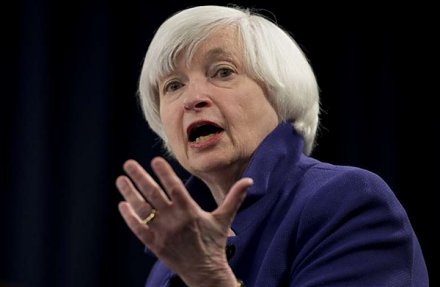
Former Fed Chair Janet Yellen worries about U.S. government debt accumulation, expects new interest rate increases, and warns of the next economic recession
2023-11-14 08:24:00 Tuesday ET
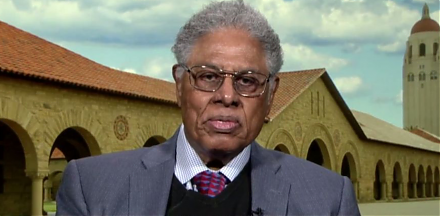
Thomas Sowell argues that some economic reforms inadvertently exacerbate economic disparities. Thomas Sowell (2019) Discrimination and econo
2018-01-23 06:38:00 Tuesday ET
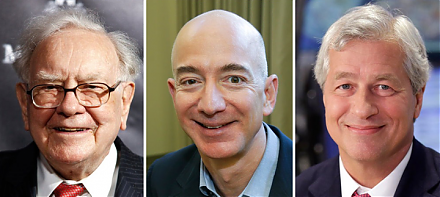
Amazon, Berkshire Hathaway, and JPMorgan Chase establish a new company to reduce U.S. employee health care costs in negotiations with drugmakers, doctors, a
2025-04-30 08:27:00 Wednesday ET

The multiple layers of the world cloud Internet help expand what can be made digitally viable from electric vehicles (EV) and virtual reality (VR) headsets
2017-01-27 17:19:00 Friday ET
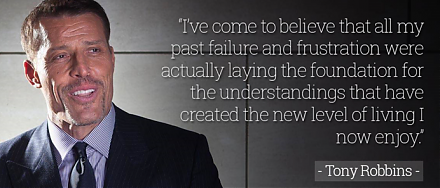
Tony Robbins explains in his latest book on personal finance that *patience* is the top secret to successful stock investment. The stock market embeds an
2019-08-06 07:28:00 Tuesday ET
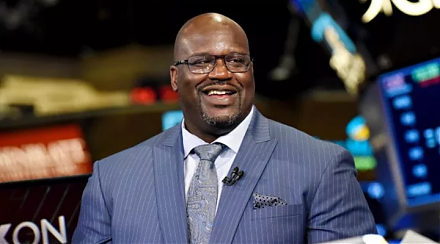
Former basketball star Shaq O'Neal has almost quadrupled his net worth once he learns and applies an ingenious investment strategy from Amazon Founder J
 Statement
 Ratio
Ratio News
News