
Canadian National Railway Company is engaged in the rail and related transportation business. It operates as the largest rail network in Canada and the only transcontinental network in North America. The company's rail network serves major Canadian ports and includes connections to the United States.The company was founded in 1919. It is responsible for transporting goods annually for a wide range of business sectors, ranging from resource products to manufactured products to consumer goods, across a vast rail network. It is investing actively toward expanding its network. Canadian National is continuously seeking productivity initiatives to grow steadily, reduce costs and leverage its assets.Canadian National purchased Winnipeg-based TransX in March 2019 in a bid to serve its customers in a more efficient manner. The company's rail freight operations are classified into 7 business segments: Petroleum and Chemicals,Metals and Minerals,Forest Products, Coal, Grains and Fertilizers...
+See MoreSharpe-Lintner-Black CAPM alpha (Premium Members Only) Fama-French (1993) 3-factor alpha (Premium Members Only) Fama-French-Carhart 4-factor alpha (Premium Members Only) Fama-French (2015) 5-factor alpha (Premium Members Only) Fama-French-Carhart 6-factor alpha (Premium Members Only) Dynamic conditional 6-factor alpha (Premium Members Only) Last update: Saturday 17 October 2026
2018-08-17 11:45:00 Friday ET

In accordance with the extant corporate disclosure rules and requirements, all U.S. public corporations have to report their balance sheets, income statemen
2017-12-14 12:41:00 Thursday ET
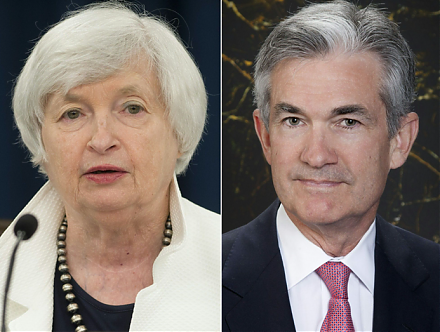
Federal Reserve raises the interest rate by 25 basis points to the target range of 1.25% to 1.5% as FOMC members revise up their GDP estimate from 2% to 2.5
2018-12-05 09:38:00 Wednesday ET
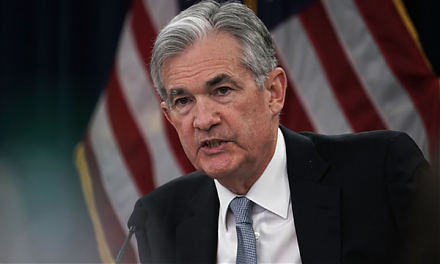
Federal Reserve publishes its inaugural flagship financial stability report. Fed Chair Jerome Powell applauds both low inflation (2%) and low unemployment (
2027-04-30 12:31:00 Friday ET

In recent years, the current AI-driven stock market rally may or may not turn out to be another major asset bubble in global human history. For the pract
2019-04-17 11:34:00 Wednesday ET
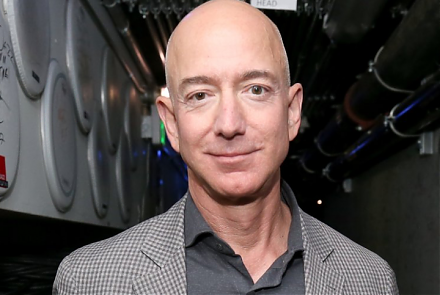
Amazon CEO Jeff Bezos admits the fact that antitrust scrutiny remains a primary imminent threat to his e-commerce business empire. In his annual letter to A
2023-12-04 12:30:00 Monday ET
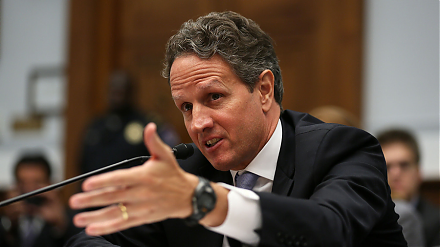
Bank leverage and capital bias adjustment through the macroeconomic cycle Abstract We assess the quantitative effects of the recent proposal
 Reports
 Metrics
 Events
 AI Stock Synopses