Collective Growth Corporation Class A Common Stock (NASDAQ:CGRO)

Real-time price: | Most recent change:0.00%

Collective Growth Corporation is a blank check company. It formed for the purpose of merger, capital stock exchange, asset acquisition, stock purchase, reorganization or similar business combination with one or more businesses. Collective Growth Corporation is based in Austin, Texas....

+See More


Here we provide our AYA proprietary alpha stock signals for all premium members on our AYA fintech network platform. Specifically, a high Fama-French multi-factor dynamic conditional alpha suggests that the stock is likely to consistently outperform the broader stock market benchmarks such as S&P 500, Dow Jones, Nasdaq, Russell 3000, MSCI USA, and MSCI World etc. Since March 2023, our proprietary alpha stock signals retain U.S. Patent and Trademark Office (USPTO) fintech patent protection, approval, and accreditation for 20 years. Our homepage and blog articles provide more details on this proprietary alpha stock market investment model with robust long-term historical backtest evidence.

Sharpe-Lintner-Black CAPM alpha (Premium Members Only) Fama-French (1993) 3-factor alpha (Premium Members Only) Fama-French-Carhart 4-factor alpha (Premium Members Only) Fama-French (2015) 5-factor alpha (Premium Members Only) Fama-French-Carhart 6-factor alpha (Premium Members Only) Dynamic conditional 6-factor alpha (Premium Members Only) Last update: Saturday 1 August 2026

Blog+More

College education offers a hefty 8.8% pay premium for each marginal increase in the number of years of intellectual attainment.

Fiona Sydney

2018-04-29 13:44:00 Sunday ET

College education offers a hefty 8.8% pay premium for each marginal increase in the number of years of intellectual attainment.

College education offers a hefty 8.8% pay premium for each marginal increase in the number of years of intellectual attainment in contrast to the 5.6%-6% lo

+See More

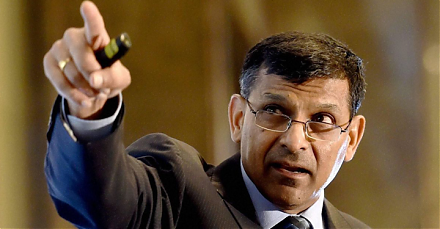
Chicago finance professor Raghuram Rajan suggests that free markets need populist support against an unholy alliance of private-sector and state elites.

John Fourier

2019-05-21 12:37:00 Tuesday ET

Chicago finance professor Raghuram Rajan suggests that free markets need populist support against an unholy alliance of private-sector and state elites.

Chicago finance professor Raghuram Rajan shows that free markets need populist support against an unholy alliance of private-sector and state elites. When a

+See More

William Easterly critiques several economic development policies and then indicates that bottom-up solutions often result in macro policy success in spite of nation states.

John Fourier

2023-05-07 10:27:00 Sunday ET

William Easterly critiques several economic development policies and then indicates that bottom-up solutions often result in macro policy success in spite of nation states.

William Easterly critiques several economic development policies and then indicates that bottom-up solutions often result in macro policy success in spite o

+See More

Stock Synopsis: Life insurers emphasize profit margins over sales growth rates.

Fiona Sydney

2024-05-27 03:23:34 Monday ET

Stock Synopsis: Life insurers emphasize profit margins over sales growth rates.

Stock Synopsis: Life insurers emphasize profit margins over sales growth rates. We review and analyze the recent market share data in the U.S. life insur

+See More

Fundamental factors often reflect macroeconomic innovations and so help inform better stock investment decisions.

Jacob Miramar

2019-08-22 11:35:00 Thursday ET

Fundamental factors often reflect macroeconomic innovations and so help inform better stock investment decisions.

Fundamental factors often reflect macroeconomic innovations and so help inform better stock investment decisions. Nobel Laureate Eugene Fama and his long-ti

+See More

Thomas Piketty frames economic inequality as a global phenomenon.

Apple Boston

2017-01-11 11:38:00 Wednesday ET

Thomas Piketty frames economic inequality as a global phenomenon.

Thomas Piketty's recent new book *Capital in the Twenty-First Century* frames income and wealth inequality now as a global economic phenomenon. When

+See More