Carlyle Secured Lending Inc. Common Stock (NASDAQ:CGBD)

Real-time price: | Most recent change:0.00%

Carlyle Secured Lending Inc. is a business development company. It focuses on providing directly originated, financing solutions across the capital structure, with a focus on senior secured lending to middle-market companies primarily located in the United States. Carlyle Secured Lending Inc., formerly known as TCG BDC Inc., is based in NEW YORK....

+See More


Here we provide our AYA proprietary alpha stock signals for all premium members on our AYA fintech network platform. Specifically, a high Fama-French multi-factor dynamic conditional alpha suggests that the stock is likely to consistently outperform the broader stock market benchmarks such as S&P 500, Dow Jones, Nasdaq, Russell 3000, MSCI USA, and MSCI World etc. Since March 2023, our proprietary alpha stock signals retain U.S. Patent and Trademark Office (USPTO) fintech patent protection, approval, and accreditation for 20 years. Our homepage and blog articles provide more details on this proprietary alpha stock market investment model with robust long-term historical backtest evidence.

Sharpe-Lintner-Black CAPM alpha (Premium Members Only) Fama-French (1993) 3-factor alpha (Premium Members Only) Fama-French-Carhart 4-factor alpha (Premium Members Only) Fama-French (2015) 5-factor alpha (Premium Members Only) Fama-French-Carhart 6-factor alpha (Premium Members Only) Dynamic conditional 6-factor alpha (Premium Members Only) Last update: Saturday 1 August 2026

Blog+More

The U.S. stock market delivers a hefty long-term average return of 11% per annum.

Peter Prince

2017-03-09 05:32:00 Thursday ET

The U.S. stock market delivers a hefty long-term average return of 11% per annum.

From 1927 to 2017, the U.S. stock market has delivered a hefty average return of about 11% per annum. The U.S. average stock market return is high in stark

+See More

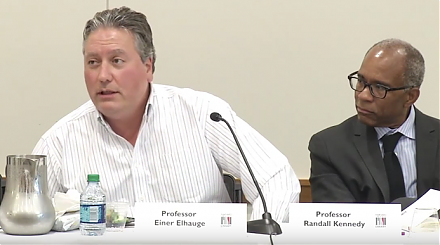
Chicago finance professor Raghuram Rajan suggests that free markets need populist support against an unholy alliance of private-sector and state elites.

John Fourier

2019-05-21 12:37:00 Tuesday ET

Chicago finance professor Raghuram Rajan suggests that free markets need populist support against an unholy alliance of private-sector and state elites.

Chicago finance professor Raghuram Rajan shows that free markets need populist support against an unholy alliance of private-sector and state elites. When a

+See More

Business entrepreneurs dare to dream, remain true and authentic to themselves, and try to make a great social impact in the world.

Charlene Vos

2020-07-05 11:31:00 Sunday ET

Business entrepreneurs dare to dream, remain true and authentic to themselves, and try to make a great social impact in the world.

Business entrepreneurs dare to dream, remain true and authentic to themselves, and try to make a great social impact in the world. Alex Malley (2014)

+See More

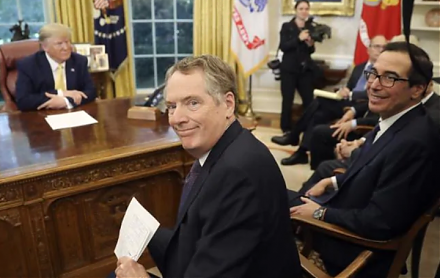
France and Germany are the biggest beneficiaries of Sino-U.S. trade escalation.

Chanel Holden

2019-07-11 10:48:00 Thursday ET

France and Germany are the biggest beneficiaries of Sino-U.S. trade escalation.

France and Germany are the biggest beneficiaries of Sino-U.S. trade escalation, whereas, Japan, South Korea, and Taiwan suffer from the current trade stando

+See More

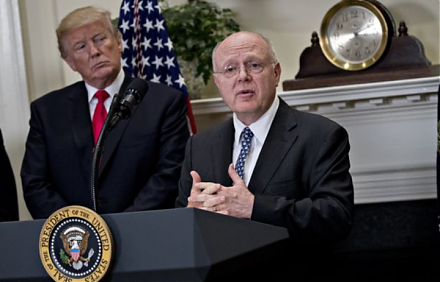
Amazon acquires an Internet pharmacy PillPack in order to better compete with Walgreens and many other drug distributors.

Peter Prince

2018-06-29 11:41:00 Friday ET

Amazon acquires an Internet pharmacy PillPack in order to better compete with Walgreens and many other drug distributors.

Amazon acquires an Internet pharmacy PillPack in order to better compete with Walgreens Boots Alliance, CVS Health, Rite Aid, and many other drug distributo

+See More

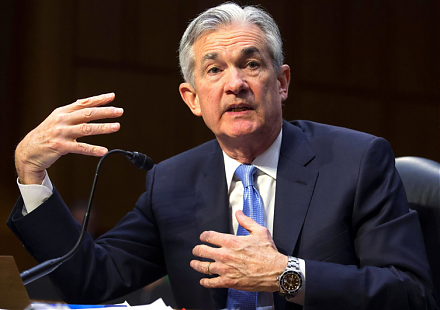
Dodd-Frank rollback raises the asset threshold for systemic financial institutions from $50 billion to $250 billion.

Peter Prince

2018-05-21 07:39:00 Monday ET

Dodd-Frank rollback raises the asset threshold for systemic financial institutions from $50 billion to $250 billion.

Dodd-Frank rollback raises the asset threshold for systemically important financial institutions (SIFIs) from $50 billion to $250 billion. This legislative

+See More