
Ball Corporation is a provider of metal packaging for beverages, foods & household products, and of aerospace and other technologies and services to commercial and governmental customers. Ball Corporation stock is traded on the New York Stock Exchange under the ticker symbol BLL. A few years ago, Ball introduced ReAl - a revolutionary technology utilizing recycled aluminum to create a metal alloy that exhibits increased strength and allows weight reduction of the container without affecting package integrity. The original ReAl, which replaced the standard aluminum aerosol can, included 25 percent recycled material to yield an 11 percent lighter package....
+See MoreSharpe-Lintner-Black CAPM alpha (Premium Members Only) Fama-French (1993) 3-factor alpha (Premium Members Only) Fama-French-Carhart 4-factor alpha (Premium Members Only) Fama-French (2015) 5-factor alpha (Premium Members Only) Fama-French-Carhart 6-factor alpha (Premium Members Only) Dynamic conditional 6-factor alpha (Premium Members Only) Last update: Saturday 17 October 2026
2018-08-03 07:33:00 Friday ET
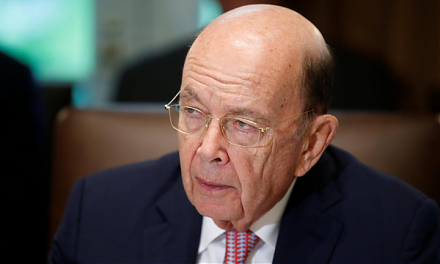
President Trump escalates the current Sino-American trade war by imposing 25% tariffs on $200 billion Chinese imports. These tariffs encompass chemical prod
2020-10-20 09:36:00 Tuesday ET

Agile lean enterprises remain flexible and capable of reinvention in light of new megatrends such as digitization and servitization. Shane Cragun and Kat
2025-10-09 11:30:00 Thursday ET

Stock Synopsis: With a new Python program, we use, adapt, apply, and leverage each of the mainstream Gemini Gen AI models to conduct this comprehensive fund
2019-04-03 11:35:00 Wednesday ET

A Florida fintech group Fidelity Information Services initiates the largest $43 billion acquisition of the e-commerce payments processor Worldpay. Fidelity
2019-02-28 20:44:00 Thursday ET

AYA Analytica finbuzz podcast channel on YouTube February 2019 In this podcast, we discuss several topical issues as of February 2019: (1) our proprieta
2018-09-05 08:34:00 Wednesday ET

Citron Research short-sellers initiate a class-action lawsuit against Tesla and its executive chairman Elon Musk because he might have deliberately orchestr
 Reports
 Metrics
 Events
 AI Stock Synopses