
Biolaw Technology, Inc. is the world's leading dental laser company, is a medical technology company that develops, manufactures and markets lasers and related products focused on technologies that advance the practice of dentistry and medicine. The Company's products incorporate patented and patent pending technologies designed to provide clinically superior performance with less pain and faster recovery times. BIOLASE's principal products are dental laser systems that perform a broad range of dental procedures, including cosmetic and complex surgical applications. Other products under development address ophthalmology and other medical and consumer markets....
+See MoreSharpe-Lintner-Black CAPM alpha (Premium Members Only) Fama-French (1993) 3-factor alpha (Premium Members Only) Fama-French-Carhart 4-factor alpha (Premium Members Only) Fama-French (2015) 5-factor alpha (Premium Members Only) Fama-French-Carhart 6-factor alpha (Premium Members Only) Dynamic conditional 6-factor alpha (Premium Members Only) Last update: Saturday 17 October 2026
2017-01-27 17:19:00 Friday ET

Tony Robbins explains in his latest book on personal finance that *patience* is the top secret to successful stock investment. The stock market embeds an
2018-01-12 07:37:00 Friday ET
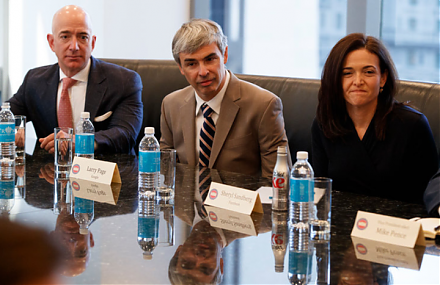
The Economist delves into the modern perils of tech titans such as Apple, Amazon, Facebook, and Google. These key tech titans often receive plaudits for mak
2019-03-15 13:36:00 Friday ET

CNBC stock host Jim Cramer recommends both Caterpillar and Home Depot as the U.S. bull market is likely to continue in light of the recent Fed Chair comment
2019-01-10 17:31:00 Thursday ET

The recent Bristol-Myers Squibb acquisition of American Celgene is the $90 billion biggest biotech deal in history. The resultant biopharma goliath would be
2018-03-23 08:26:00 Friday ET

Personal finance and investment author Thomas Corley studies and shares the rich habits of self-made millionaires. Corley has spent 5 years studying the dai
2020-09-10 08:31:00 Thursday ET

Most business organizations should continue to create new value in order to achieve long-run success and sustainable profitability. Todd Zenger (2016)
 Reports
 Metrics
 Events
 AI Stock Synopses