
Berry Global Group, Inc. manufactures and distributes nonwoven specialty materials, engineered materials and consumer packaging products in the market. The company services personal care, healthcare as well as beverage and food markets in South America, North America, Asia and Europe. In July 2019, the company acquired United Kingdom-based RPC Group Plc. The latter specializes in providing recycled solutions and plastic packaging. Its products are mainly used by customers, both in the non-packaging and packaging markets....
+See MoreSharpe-Lintner-Black CAPM alpha (Premium Members Only) Fama-French (1993) 3-factor alpha (Premium Members Only) Fama-French-Carhart 4-factor alpha (Premium Members Only) Fama-French (2015) 5-factor alpha (Premium Members Only) Fama-French-Carhart 6-factor alpha (Premium Members Only) Dynamic conditional 6-factor alpha (Premium Members Only) Last update: Saturday 17 October 2026
2017-08-13 09:36:00 Sunday ET

Several investors and billionaires such as George Soros, Warren Buffett, Carl Icahn, and Howard Marks suggest that the time may be ripe for a major financia
2027-01-31 12:25:00 Sunday ET

In recent decades, many governments have chosen to run high fiscal deficits on top of sovereign debt mountains so that greater government intervention still
2020-05-21 11:30:00 Thursday ET

Most blue-ocean strategists shift fundamental focus from current competitors to alternative non-customers with new market space. W. Chan Kim and Renee Ma
2020-03-05 08:28:00 Thursday ET
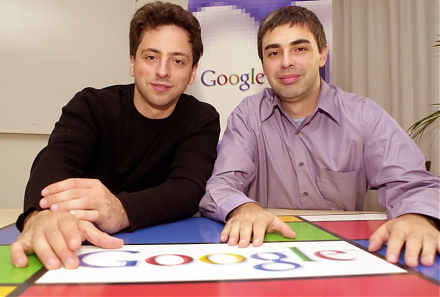
The Stanford computer science overlords Larry Page and Sergey Brin design and develop Google as an Internet search company. Janet Lowe (2009) Google s
2018-12-21 11:39:00 Friday ET
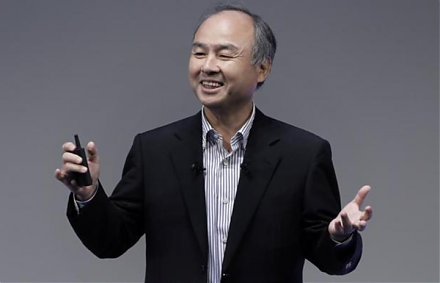
The Internet and telecom conglomerate SoftBank Group raises $23 billion in the biggest IPO in Japan. Going public is part of the major corporate move away f
2019-03-27 11:28:00 Wednesday ET
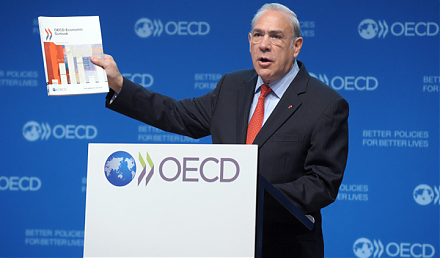
OECD cuts the global economic growth forecast from 3.5% to 3.3% for the current fiscal year 2019-2020. The global economy suffers from economic protraction
 Reports
 Metrics
 Events
 AI Stock Synopses