
Accuray Inc. designs, develops & sells radiosurgery and radiation therapy systems for treatment of tumors in the body. The company's product suite includes the CyberKnife Systems and the TomoTherapy Systems. It primarily generates revenues by selling the CyberKnife & TomoTherapy Systems and providing ongoing services and upgrades to customers following installation of the CyberKnife System. Product revenues include sales of linacs for other uses. It also offers optional hardware and software, technical enhancements and upgrades to the CyberKnife & TomoTherapy System. The CyberKnife Systems include: the CyberKnife G4, CyberKnife VSI System and the new CyberKnife M6 Series System. TomoTherapy Systems include the Hi-Art System, delivering CT-guided, helical intensity modulated radiation therapy; the TomoHD System and the Tomo H Series Systems....
+See MoreSharpe-Lintner-Black CAPM alpha (Premium Members Only) Fama-French (1993) 3-factor alpha (Premium Members Only) Fama-French-Carhart 4-factor alpha (Premium Members Only) Fama-French (2015) 5-factor alpha (Premium Members Only) Fama-French-Carhart 6-factor alpha (Premium Members Only) Dynamic conditional 6-factor alpha (Premium Members Only) Last update: Saturday 17 October 2026
2018-06-05 07:36:00 Tuesday ET

Just Capital issues a new report in support of the stakeholder value proposition in recent times. U.S. corporations that perform best on key priorities such
2018-12-29 09:32:00 Saturday ET

Andy Yeh Alpha (AYA) AYA Analytica financial health memo (FHM) podcast channel on YouTube December 2018 AYA Analytica is our online regular podcast and news
2022-03-05 09:27:00 Saturday ET

Addendum on empirical tests of multi-factor models for asset return prediction Fama and French (2015) propose an empirical five-factor asset pricing mode
2018-02-07 06:38:00 Wednesday ET
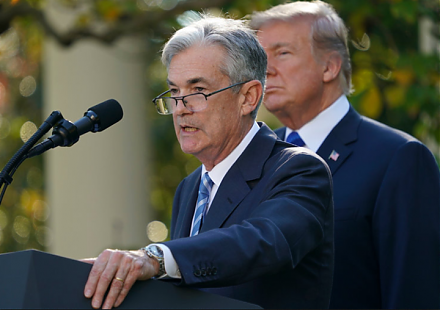
The new Fed chairman Jerome Powell faces a new challenge in the form of both core CPI and CPI inflation rate hikes toward 1.8%-2.1% year-over-year with stro
2019-11-05 07:41:00 Tuesday ET
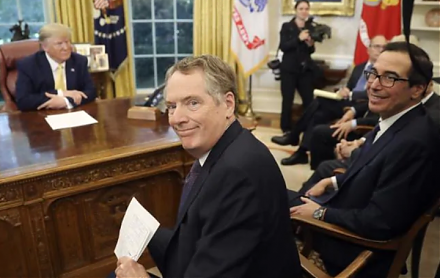
The Trump administration expects to reach an interim partial trade deal with China. This interim partial trade deal represents the first phase of a comprehe
2018-09-29 12:39:00 Saturday ET
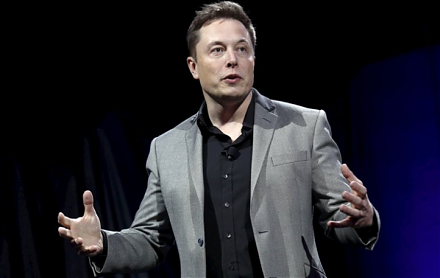
The Securities and Exchange Commission (S.E.C.) sues Elon Musk for his August 2018 tweet that he has secured external finance to convert Tesla into a privat
 Reports
 Metrics
 Events
 AI Stock Synopses