
American Outdoor Brands, Inc. is a provider of outdoor products and accessories, including hunting, fishing, camping, shooting and personal security and defense products, for rugged outdoor enthusiasts. The company produces products under the brands Caldwell(R); Crimson Trace(R); Wheeler(R); Tipton(R); Frankford Arsenal(R); Lockdown(R); BOG(R); Hooyman(R); Smith & Wesson Accessories(R); M&P Accessories(R); Thompson/Center Arms Accessories(TM); Performance Center Accessories(R); Schrade(R); Old Timer(R); Uncle Henry(R); Imperial(R); BUBBA(R); UST(R); LaserLyte(R); and MEAT!. American Outdoor Brands, Inc. is based in COLUMBIA....
+See MoreSharpe-Lintner-Black CAPM alpha (Premium Members Only) Fama-French (1993) 3-factor alpha (Premium Members Only) Fama-French-Carhart 4-factor alpha (Premium Members Only) Fama-French (2015) 5-factor alpha (Premium Members Only) Fama-French-Carhart 6-factor alpha (Premium Members Only) Dynamic conditional 6-factor alpha (Premium Members Only) Last update: Saturday 17 October 2026
2019-03-15 13:36:00 Friday ET
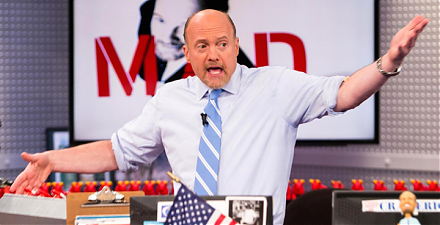
CNBC stock host Jim Cramer recommends both Caterpillar and Home Depot as the U.S. bull market is likely to continue in light of the recent Fed Chair comment
2017-01-11 11:38:00 Wednesday ET
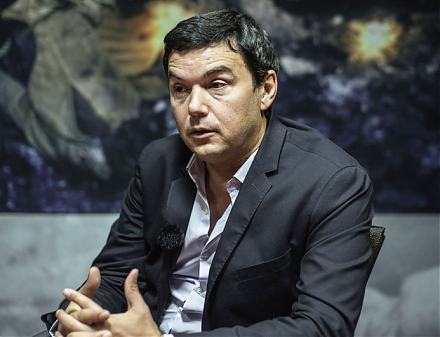
Thomas Piketty's recent new book *Capital in the Twenty-First Century* frames income and wealth inequality now as a global economic phenomenon. When
2018-12-20 13:40:00 Thursday ET

T-Mobile and Sprint indicate that the U.S. is likely to approve their merger plan as they take the offer from foreign owners to stop using HuaWei telecom te
2018-12-11 10:34:06 Tuesday ET
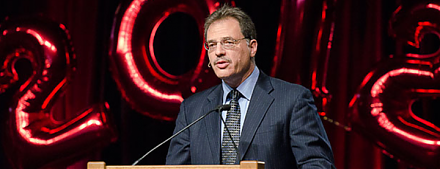
Several eminent American China-specialists champion the key notion of *strategic engagement* with the Xi administration. From the Hoover Institution at Stan
2022-05-15 10:29:00 Sunday ET

Innovative investment theory and practice Corporate investment can be in the form of real tangible investment or intangible investment. The former conce
2020-05-07 08:26:00 Thursday ET

Disruptive innovators often apply their 5 major pragmatic skills in new blue-ocean niche discovery and market share dominance. Jeff Dyer, Hal Gregersen,
 Reports
 Metrics
 Events
 AI Stock Synopses