
Aemetis, Inc. is an advanced fuels and renewable chemicals company. It produces renewable chemicals and fuels using patented microbes and processes. Aemetis owns and operates an ethanol animal feed plant in California to produce D5 Advanced Biofuels using the sorghum/biogas/CHP pathway. The Company also built, owns, and operates a renewable chemicals and advanced fuels production facility on the East Coast of India producing high quality, distilled biodiesel and refined glycerin for customers in Europe and Asia. Aemetis, Inc. is headquartered in Cupertino, California....
+See MoreSharpe-Lintner-Black CAPM alpha (Premium Members Only) Fama-French (1993) 3-factor alpha (Premium Members Only) Fama-French-Carhart 4-factor alpha (Premium Members Only) Fama-French (2015) 5-factor alpha (Premium Members Only) Fama-French-Carhart 6-factor alpha (Premium Members Only) Dynamic conditional 6-factor alpha (Premium Members Only) Last update: Saturday 17 October 2026
2025-06-05 00:00:00 Thursday ET

Former New York Times team journalist and Pulitzer Prize winner Charles Duhigg describes, discusses, and delves into how we can change our respective lives
2019-07-30 15:33:00 Tuesday ET

All of the 18 systemically important banks pass the annual Federal Reserve stress tests. Many of the largest lenders announce higher cash payouts to shareho
2024-04-30 09:30:00 Tuesday ET

With clean and green energy resources and electric vehicles, the global auto industry now navigates at a newer and faster pace. Both BYD and Tesla have
2025-10-09 11:30:00 Thursday ET
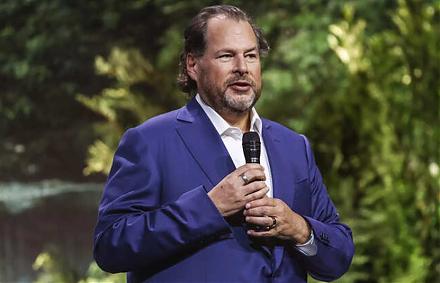
Stock Synopsis: With a new Python program, we use, adapt, apply, and leverage each of the mainstream Gemini Gen AI models to conduct this comprehensive fund
2018-02-03 07:42:00 Saturday ET
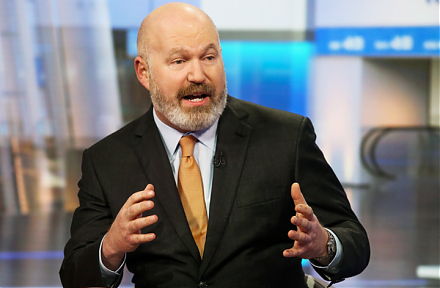
Quant Quake 2.0 shakes investor confidence with rampant stock market fears and doubts during the recent Fed Chair transition from Janet Yellen to Jerome Pow
2020-04-10 11:33:00 Friday ET
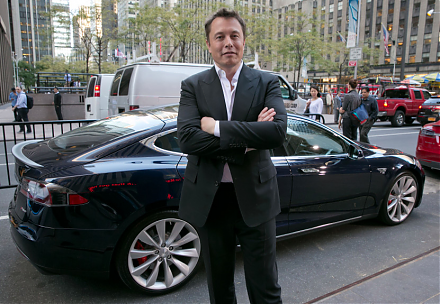
Elon Musk envisions a bold fantastic future with his professional trifecta of lean startup enterprises SolarCity, SpaceX, and Tesla. Ashlee Vance (2015)
 Reports
 Metrics
 Events
 AI Stock Synopses