
AstroNova, Inc. provides data visualization technologies. The company designs, manufactures, distributes and services products which acquire, store, analyze and present data in multiple formats. The Product Identification segment offers hardware and software products and associated consumables. Test and Measurement segment includes suite of products and services which acquire and record electronic signal data from local and networked sensors. Its brand includes QuickLabel(R). AstroNova, Inc., formerly known as Astro-Med, Inc., is based in WEST WARWICK, United States....
+See MoreSharpe-Lintner-Black CAPM alpha (Premium Members Only) Fama-French (1993) 3-factor alpha (Premium Members Only) Fama-French-Carhart 4-factor alpha (Premium Members Only) Fama-French (2015) 5-factor alpha (Premium Members Only) Fama-French-Carhart 6-factor alpha (Premium Members Only) Dynamic conditional 6-factor alpha (Premium Members Only) Last update: Saturday 17 October 2026
2017-11-25 06:34:00 Saturday ET

Mario Draghi, President of the European Central Bank, heads the international committee of financial supervisors and has declared their landmark agreement o
2019-03-03 10:39:00 Sunday ET

Tech companies seek to serve as quasi-financial intermediaries. Retail traders can list items for sale on eBay and then acquire these items economically on
2017-11-24 08:41:00 Friday ET

Is Bitcoin a legitimate (crypto)currency or a new bubble waiting to implode? As its prices skyrocket, bankers, pundits, and investors increasingly take side
2018-05-15 08:40:00 Tuesday ET
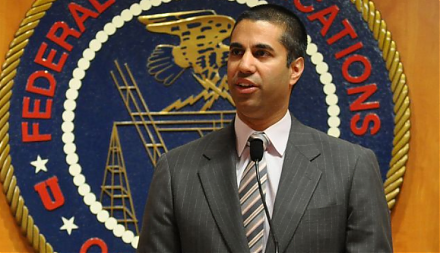
Net neutrality rules continue to revolve around the Trump administration's current IT agenda of 5G telecom transformation. Republican Senate passes the
2019-08-06 07:28:00 Tuesday ET
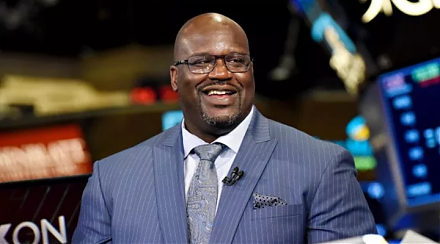
Former basketball star Shaq O'Neal has almost quadrupled his net worth once he learns and applies an ingenious investment strategy from Amazon Founder J
2018-01-17 05:30:00 Wednesday ET
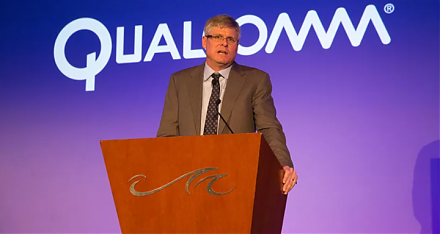
European Union antitrust regulators impose a fine on Qualcomm for advancing its key exclusive microchip deal with Apple to block out rivals such as Intel an
 Reports
 Metrics
 Events
 AI Stock Synopses