The AES Corporation is a diversified power generation and utility company, providing affordable, sustainable energy through their diverse portfolio of thermal and renewable generation facilities as well as distribution businesses. Their vision is to be the world's leading sustainable power company by leveraging their unique electricity platforms and the knowledge of their people to provide the energy and infrastructure solutions their customers truly need. Their people share a passion to help meet the world's current and increasing energy needs, while providing communities and countries the opportunity for economic growth due to the availability of reliable, affordable electric power....
+See MoreSharpe-Lintner-Black CAPM alpha (Premium Members Only) Fama-French (1993) 3-factor alpha (Premium Members Only) Fama-French-Carhart 4-factor alpha (Premium Members Only) Fama-French (2015) 5-factor alpha (Premium Members Only) Fama-French-Carhart 6-factor alpha (Premium Members Only) Dynamic conditional 6-factor alpha (Premium Members Only) Last update: Saturday 17 October 2026
2023-12-04 12:30:00 Monday ET
Bank leverage and capital bias adjustment through the macroeconomic cycle Abstract We assess the quantitative effects of the recent proposal
2020-06-17 09:23:00 Wednesday ET
Successful founders focus on their continuous growth, passion, perseverance, and the collective wisdom of most team members. William Ferguson (2013) &
2019-03-31 11:40:00 Sunday ET

AYA Analytica free finbuzz podcast channel on YouTube March 2019 In this podcast, we discuss several topical issues as of March 2019: (1) Sargent-Wallac
2017-04-25 06:35:00 Tuesday ET
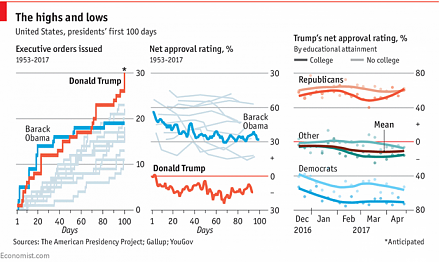
This nice and clear infographic visualization helps us better decipher the main memes and themes of President Donald Trump's first 100 days in office.
2025-09-21 12:32:00 Sunday ET
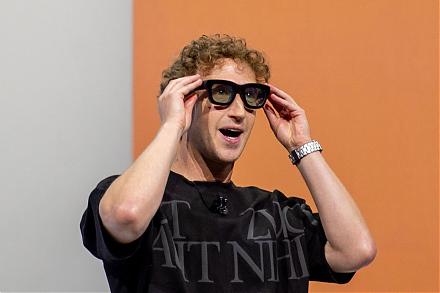
Stock Synopsis: With a new Python program, we use, adapt, apply, and leverage each of the mainstream Gemini Gen AI models to conduct this comprehensive fund
2023-06-21 12:32:00 Wednesday ET
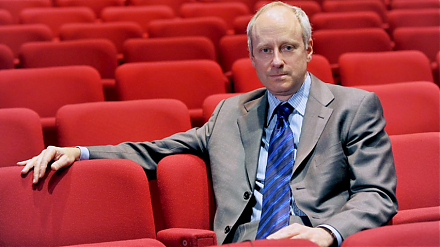
Michael Sandel analyzes what money cannot buy in stark contrast to the free market ideology of capitalism. Michael Sandel (2013) What money
 Reports
 Metrics
 Events
 AI Stock Synopses