
BLDRS Developed Markets 100 ADR Index Fund (the Fund) is a unit investment trust designed to provide investment results that correspond generally to the price and yield performance of the publicly traded depositary receipts comprising The Bank of New York Developed Markets 100 ADR Index. As of September 30, 2006, The BNY Developed Markets 100 ADR Index included 100 component depositary receipts representing the securities issued by 100 of the most actively traded companies from the international developed markets having a free-float market capitalization ranging from $10 billion to over $260 billion. ...
+See MoreSharpe-Lintner-Black CAPM alpha (Premium Members Only) Fama-French (1993) 3-factor alpha (Premium Members Only) Fama-French-Carhart 4-factor alpha (Premium Members Only) Fama-French (2015) 5-factor alpha (Premium Members Only) Fama-French-Carhart 6-factor alpha (Premium Members Only) Dynamic conditional 6-factor alpha (Premium Members Only) Last update: Saturday 17 October 2026
2020-04-03 09:28:00 Friday ET
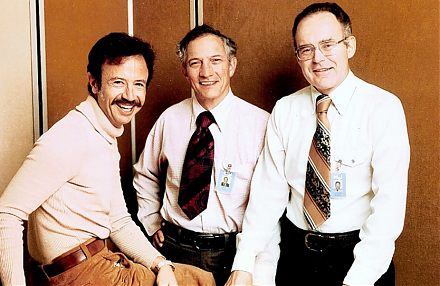
The Intel trinity of Robert Noyce, Gordon Moore, and Andy Grove establishes the primary semiconductor tech titan in Silicon Valley. Michael Malone (2014)
2020-04-17 07:23:00 Friday ET

Clayton Christensen defines and delves into the core dilemma of corporate innovation with sustainable and disruptive advances. Clayton Christensen (2000)
2019-03-01 13:36:00 Friday ET

Global economic uncertainty now lurks in a thick layer of mystery. This uncertainty arises from Sino-U.S. trade tension, Brexit fallout, monetary policy nor
2017-08-01 09:40:00 Tuesday ET
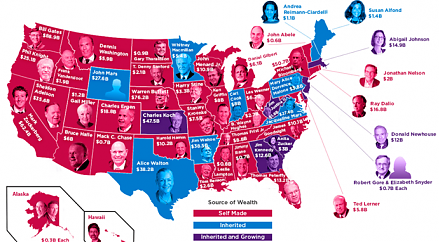
In American states, all of the Top 4 richest people are self-made billionaires: Bill Gates in Washington, Warren Buffett in Nebraska, Michael Bloomberg in N
2019-01-12 10:33:00 Saturday ET
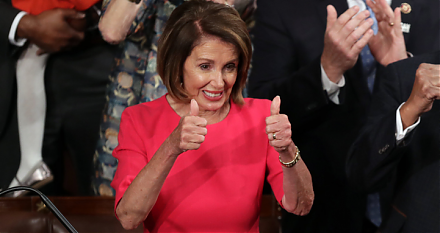
With majority control, House Democrats pass 2 bills to reopen the U.S. government without funding the Trump border wall. President Trump makes a surprise Wh
2025-06-13 08:23:00 Friday ET

What are the mainstream legal origins of President Trump’s new tariff policies? We delve into the mainstream legal origins of President Trump&rsquo
 Reports
 Metrics
 Events
 AI Stock Synopses