
Wells Fargo & Company is one of the largest financial services companies in the U.S. The company provides banking, insurance, trust and investments, mortgage banking, investment banking, retail banking, brokerage services and consumer and commercial finance through more than 4,700 retail bank branches, broad automated telling machines (ATMs) network, the Internet and other distribution channels globally. It has 4 segments. Consumer Banking and Lending offers products and services like checking and savings accounts, credit and debit cards, as well as home, auto, personal and small business lending to consumers and small businesses. Commercial Banking provides banking and credit products across industries, and treasury management. Corporate and Investment Banking delivers services related to capital markets, banking and financial products. Wealth and Investment Management provides personalized wealth management, brokerage, financial planning, lending, private banking, trust and fiduciary products and services....
+See More2020-02-05 10:28:00 Wednesday ET

Our proprietary AYA fintech finbuzz essay shines light on the modern collection of business insights with executive annotations and personal reflections. Th
2017-07-01 08:40:00 Saturday ET

The Economist interviews President Donald Trump and spots the keyword *reciprocity* in many aspects of Trumponomics from trade and taxation to infrastructur
2018-04-17 12:38:00 Tuesday ET
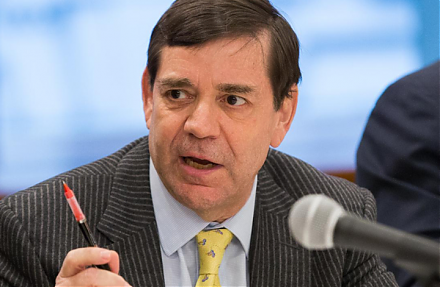
Value investment strategies make investors wiser like water with core fundamental factor analysis. Value investors tend to buy stocks below their intrinsic
2019-02-28 20:44:00 Thursday ET

AYA Analytica finbuzz podcast channel on YouTube February 2019 In this podcast, we discuss several topical issues as of February 2019: (1) our proprieta
2019-05-17 15:24:00 Friday ET
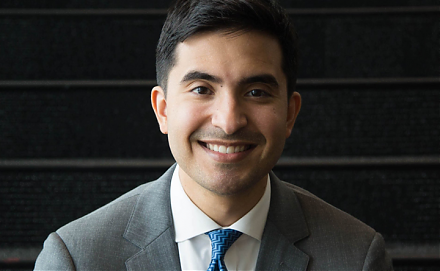
A Harvard MBA graduate Camilo Maldonado shares several life lessons and wise insights into personal finance. People can leverage stock market investments an
2020-11-17 08:27:00 Tuesday ET

Management consultants can build sustainable trust-driven client relations through the accelerant curve of business value creation. Alan Weiss (2016)