
Target Corp. has evolved from just being a pure brick-&-mortar retailer to an omni-channel entity. It has been modernizing supply chain to compete with pure e-commerce players. Its acquisition of Shipt to provide same-day delivery of groceries, essentials, home, electronics as well as other products. Target provides an array of owned & premium branded goods ranging from household essentials and electronics to toys and apparel for men, women and kids. It also houses food and pet supplies, home furnishings and d'cor, home improvement, automotive products and seasonal merchandise. It also offers in-store amenities, consisting of Target Caf', Target Photo, Target Optical, Portrait Studio, Starbucks and other food service offerings. A greater number of general merchandise stores provides an edited food assortment, including perishables, dry grocery, dairy & frozen items. Its digital channels include a wide merchandise assortment, including many items found in stores, along with a complementary assortment....
+See More2018-11-01 08:36:00 Thursday ET
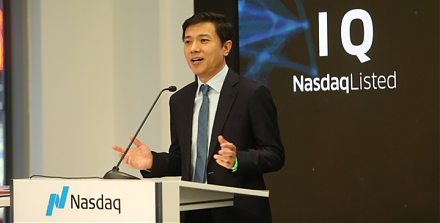
Ford and Baidu team up to test autonomous cars in China. For the next few years, Ford and Baidu plan to collaborate on the car design and user acceptance te
2018-03-27 07:33:00 Tuesday ET
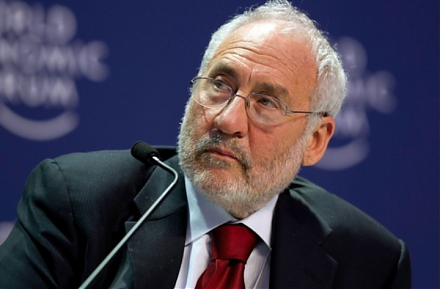
CNBC's business anchorwoman Becky Quick interviews Nobel Laureate Joseph Stiglitz on the current trade war between America and China. As America imposes
2025-10-13 12:32:00 Monday ET
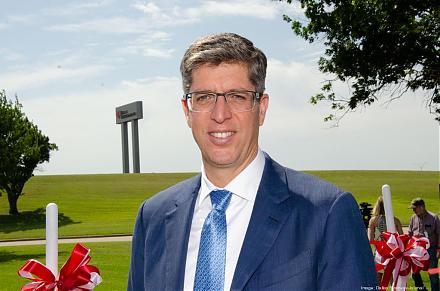
Stock Synopsis: With a new Python program, we use, adapt, apply, and leverage each of the mainstream Gemini Gen AI models to conduct this comprehensive fund
2018-01-06 07:32:00 Saturday ET
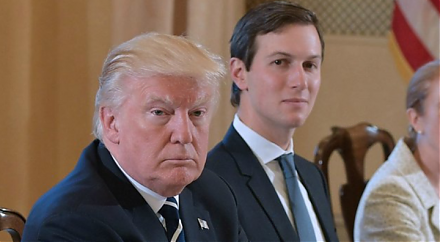
Subsequent to the Trump tax cuts for Christmas in December 2017, the one-year-old Trump presidency now aims to make progress on health care, infrastructure,
2020-07-26 15:29:00 Sunday ET
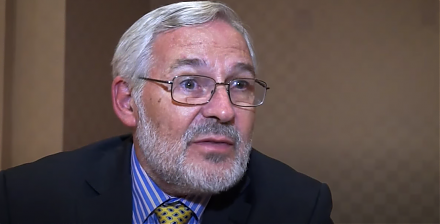
Firms and customers create value and wealth together by joining the continual flow of small batches of lean production to the lean consumption of cost-effec
2017-02-07 07:47:00 Tuesday ET
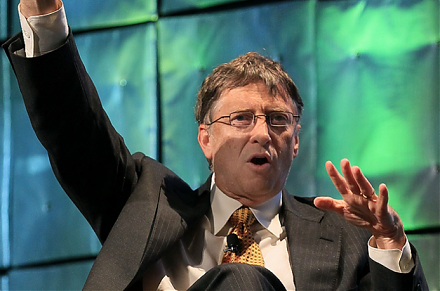
With prescient clairvoyance, Bill Gates predicted the recent sustainable rise of Netflix and Facebook during a Playboy interview back in 1994. He said th