
RLI Corp. is a specialty property-casualty underwriter that caters primarily to niche markets through its main operating subsidiary, RLI Insurance Company. Other subsidiaries include Mt. Hawley Insurance Company and RLI Indemnity Company. RLI Corp. classifies its operations into three distinct segments - Casualty, Property, and Surety. Casualty segment comprises general liability, personal umbrella, transportation, executive products, commercial umbrella, multi-peril program business, and other specialty coverage. Property segment provides commercial property coverage, including excess and surplus lines and specialty insurance such as fire, earthquake, flood and inland marine. Surety segment specializes in writing small-to-large commercial and small contract surety coverage, as well as those for the energy , petrochemical and refining industries. RLI Corp. distributes its products through branch offices to wholesale and retail brokers, independent agents and e-commerce channels....
+See More2018-08-25 12:33:00 Saturday ET
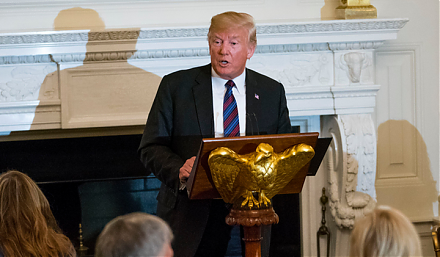
President Trump warns Google, Facebook, and Twitter that these tech titans now tread on troublesome territory. Specifically, Trump accuses Google of rigging
2019-08-09 18:35:00 Friday ET

Nobel Laureate Joseph Stiglitz maintains that globalization only works for a few elite groups; whereas, the government should now reassert itself in terms o
2018-03-27 07:33:00 Tuesday ET

CNBC's business anchorwoman Becky Quick interviews Nobel Laureate Joseph Stiglitz on the current trade war between America and China. As America imposes
2018-02-07 06:38:00 Wednesday ET

The new Fed chairman Jerome Powell faces a new challenge in the form of both core CPI and CPI inflation rate hikes toward 1.8%-2.1% year-over-year with stro
2018-04-02 07:33:00 Monday ET
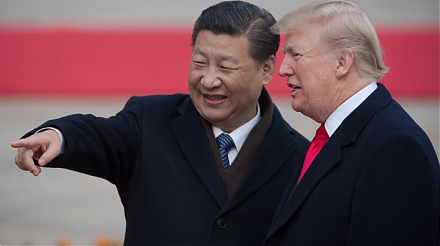
China President Xi JinPing tries to ease trade tension between America and China in his presidential address at the annual Boao forum. In his vulnerable att
2020-07-19 09:25:00 Sunday ET

Senior business leaders can learn much from the lean production system with iterative continuous improvements at Toyota. Takehiko Harada (2015)