Eli Lilly and Company, one of the world's largest pharmaceutical companies, boasts a diversified product profile including a solid lineup of new successful drugs. It also has a dependable pipeline as it navigates through challenges like patent expirations of several drugs and rising pricing pressure on its U.S. diabetes franchise. Its pharmaceutical product categories are neuroscience, diabetes, oncology, immunology and others. Over the past few years, Lilly has been actively seeking acquisitions and in-licensing deals to boost its product portfolio and pipeline. The purchase of ImClone Systems brought with it cancer compound, Erbitux. The acquisition of ICOS Corporation gave Lilly full control over erectile dysfunction drug, Cialis. Its other acquisitions include Hypnion, Inc., CoLucid Pharmaceuticals added Reyvow for acute migraine, Loxo Oncology and Dermira. Lilly has collaboration agreements with several companies including Incyte, Boehringer Ingelheim and Innovent Biologics among others....
+See More2018-08-27 09:35:00 Monday ET
President Trump and his Republican senators and supporters praise the recent economic revival of most American counties. The Economist highlights a trifecta
2020-02-02 10:31:00 Sunday ET
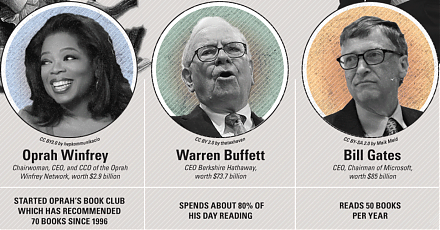
Our proprietary alpha investment model outperforms the major stock market benchmarks such as S&P 500, MSCI, Dow Jones, and Nasdaq. We implement
2019-06-15 10:28:00 Saturday ET
The Sino-American trade war may slash global GDP by $600 billion. If the Trump administration imposes tariffs on all the Chinese imports and China retaliate
2019-11-19 09:33:00 Tuesday ET

American unemployment declines to the 50-year historical low level of 3.5% with moderate job growth. Despite a sharp slowdown in U.S. services and utilities
2017-11-05 09:45:00 Sunday ET
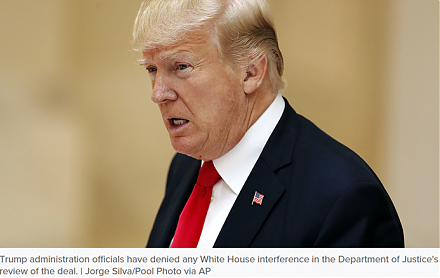
President Trump criticizes the potential media merger between AT&T and Time Warner, the latter of which owns the anti-Trump media network CNN. President
2017-09-25 09:42:00 Monday ET
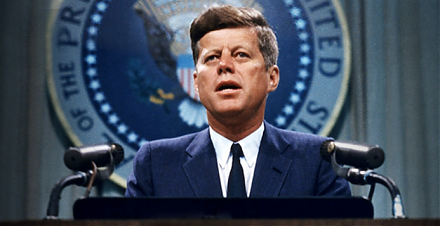
President Trump has allowed most JFK files to be released to the general public. This batch of documents reveals many details of the assassination of Presid