
Intel Corporation, one of the world's largest semiconductor company and primary supplier of microprocessors and chipsets, is gradually moving into data-centric businesses such as AI and autonomous driving. Intel is a dominant player for microprocessors in both consumer and enterprise markets. Data Center Group, Internet of Things Group, Mobileye, Non-Volatile memory solutions group and Programmable solutions Group and All Other business units form the crux of Intel's data-centric business model. DCG segment deals with servers, workstations and other products for cloud, enterprise, and communication infrastructure market. IOTG offers high-performance compute solutions and embedded applications. PSG segment offers programmable semiconductors, primarily FPGAs and structured ASICs. Mobileye is engaged in developing computer vision and machine learning-based sensing, data analysis, localization, mapping, and driving policy technology for ADAS and autonomous driving....
+See More2019-08-09 18:35:00 Friday ET
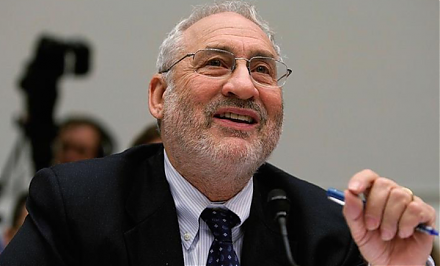
Nobel Laureate Joseph Stiglitz maintains that globalization only works for a few elite groups; whereas, the government should now reassert itself in terms o
2025-06-21 10:25:00 Saturday ET
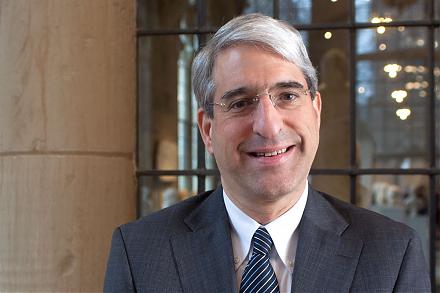
Former New York Times science author and Harvard psychologist Daniel Goleman explains why emotional intelligence can serve as a more important critical succ
2019-06-25 10:34:00 Tuesday ET

Investing in stocks is the best way for people to become self-made millionaires. A recent Gallup poll indicates that only 37% of young Americans below the a
2018-02-07 06:38:00 Wednesday ET
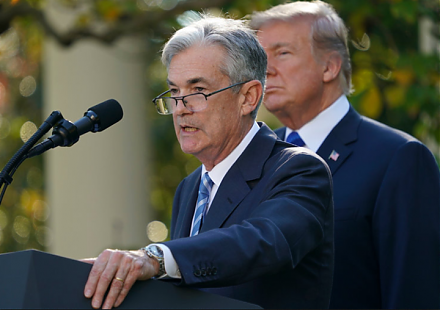
The new Fed chairman Jerome Powell faces a new challenge in the form of both core CPI and CPI inflation rate hikes toward 1.8%-2.1% year-over-year with stro
2017-08-25 13:36:00 Friday ET
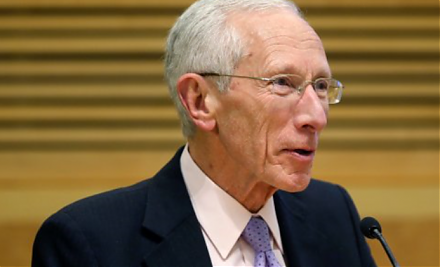
The U.S. Treasury's June 2017 grand proposal for financial deregulation aims to remove several aspects of the Dodd-Frank Act 2010 such as annual macro s
2018-03-09 08:33:00 Friday ET
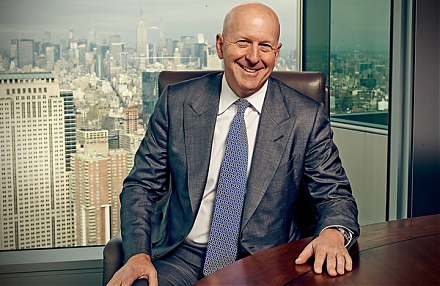
David Solomon succeeds Lloyd Blankfein as the new CEO of Goldman Sachs. Unlike his predecessors Lloyd Blankfein and Gary Cohn, Solomon has been an investmen