
Caesars Entertainment, a diversified gaming and hospitality company, revenues through gaming operations that include mobile, online gaming and sports betting. It also utilizes its hotels, restaurants, bars, entertainment, racing, sportsbook offerings, retail shops and other services to attract customers to its properties. Its resorts operate primarily under the Caesars, Harrah's, Horseshoe and Eldorado brand names. Also, it has operations in countries across and outside the U.S. The operations occur in three regionally-focused reportable segments: Las Vegas, Regional, Caesars Digital and Managed & International, in addition to Corporate and Other. It has grown through development of new resorts, expansions and acquisitions. It owns, leases or manages an aggregate of domestic properties across states, comprising a large numbers of table games, slot machines, video lottery terminals and e-tables. Properties, like Harrah's Louisiana Downs, Caesars Southern Indiana and Caesars UK group met held for sale criteria....
+See More2025-06-13 08:23:00 Friday ET

What are the mainstream legal origins of President Trump’s new tariff policies? We delve into the mainstream legal origins of President Trump&rsquo
2018-07-03 11:42:00 Tuesday ET

President Trump's current trade policies appear like the Reagan administration's protectionist trade policies back in the 1980s. In comparison to th
2016-10-19 00:00:00 Wednesday ET

India's equivalent to Warren Buffett in America, Rakesh Jhunjhunwala, offers several key lessons for stock market investors: When the press o
2018-05-27 08:33:00 Sunday ET
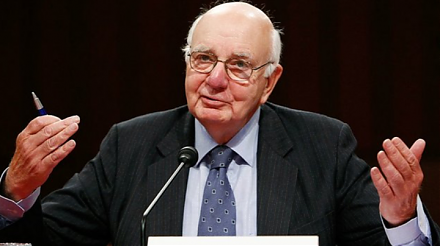
The Federal Reserve proposes softening the Volcker rule that prevents banks from placing risky bets on securities with deposit finance. As part of the po
2019-10-01 11:33:00 Tuesday ET
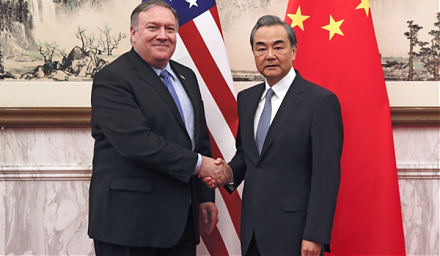
The Trump administration postpones increasing 25% to 30% tariffs on $250 billion Chinese imports after China extends an olive branch to de-escalate Sino-Ame
2018-09-23 08:37:00 Sunday ET

Bank of America Merrill Lynch's chief investment strategist Michael Hartnett points out that U.S. corporate debt (not household credit supply or bank ca