
Alnylam Pharmaceuticals Inc. is a development-stage biopharmaceutical company focused on the development of novel therapeutics based on RNA interference. The company's pipeline of experimental RNAi therapeutics is focused across three strategic therapeutic areas - genetic medicines, cardio-metabolic disease and hepatic infectious disease. The company's lead drug-Onpattro received regulatory approvals in the United States and Europe for the treatment of hereditary transthyretin-mediated amyloidosis in adults. The FDA approved Givlaari for acute hepatic porphyria. The FDA approved Oxlumo injection for subcutaneous use, for the treatment of primary hyperoxaluria type 1 to lower urinary oxalate levels in pediatric and adult patients. Moreover, the company is evaluating inclisiran for hypercholesterolemia in partnership with The Medicines Company acquired by Novartis. The FDA approved Leqvio to reduce low-density lipoprotein cholesterol with two doses a year.....
+See More2019-03-03 10:39:00 Sunday ET

Tech companies seek to serve as quasi-financial intermediaries. Retail traders can list items for sale on eBay and then acquire these items economically on
2018-06-05 07:36:00 Tuesday ET

Just Capital issues a new report in support of the stakeholder value proposition in recent times. U.S. corporations that perform best on key priorities such
2019-08-14 10:31:00 Wednesday ET

Netflix suffers its first major loss of U.S. subscribers due to the recent price hikes. The company adds only 2.7 million new subscribers in 2019Q2 in stark
2025-06-13 08:23:00 Friday ET

What are the mainstream legal origins of President Trump’s new tariff policies? We delve into the mainstream legal origins of President Trump&rsquo
2025-10-04 13:37:00 Saturday ET
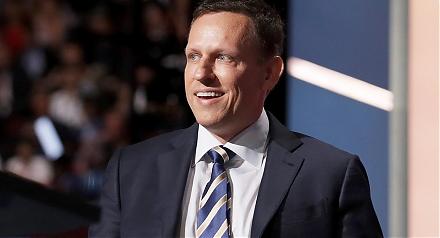
Stock Synopsis: With a new Python program, we use, adapt, apply, and leverage each of the mainstream Gemini Gen AI models to conduct this comprehensive fund
2018-08-11 14:35:00 Saturday ET
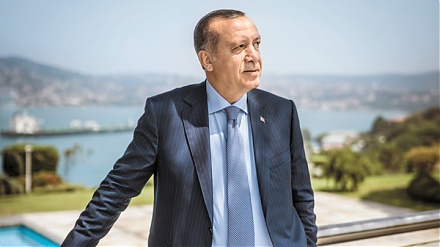
The Trump administration imposes 20%-50% tariffs on Turkish imports due to a recent spat over the detention of an American pastor, Andrew Brunson, in Turkey