
Phillips 66's operations incorporate refining, midstream, marketing and specialties, and chemicals. The company's operations include processing, transportation, storing and marketing fuels and products all over the world. The company operates through the four business segments, namely, Midstream, Chemicals, Refining, and Marketing and Specialties. Midstream gathers, processes, transports and markets natural gas; and transports, fractionates and markets NGL in the United States. In addition, this segment transports crude oil and other feedstocks to its refineries and other locations, and delivers refined and specialty products to the market. Chemicals manufacture and markets petrochemicals and plastics on a worldwide basis. Refining buys, sells and refines crude oil and other feedstocks at its refineries. Marketing and Specialties purchases for resale and markets refined products. In addition, this segment includes the manufacturing and marketing of specialty products....
+See More2020-04-17 07:23:00 Friday ET
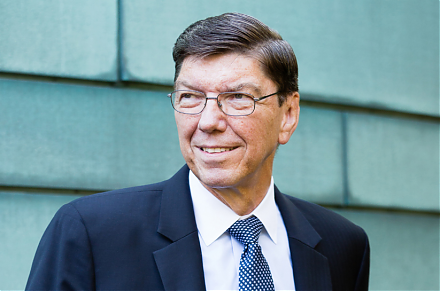
Clayton Christensen defines and delves into the core dilemma of corporate innovation with sustainable and disruptive advances. Clayton Christensen (2000)
2019-07-09 15:14:00 Tuesday ET
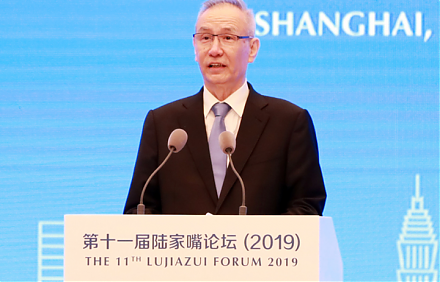
The Chinese new star board launches for tech firms to list at home. The Nasdaq-equivalent new star board serves as a key avenue for Chinese tech companies t
2017-11-13 07:42:00 Monday ET

Top 2 wealthiest men Bill Gates and Warren Buffett shared their best business decisions in a 1998 panel discussion with students at the University of Washin
2018-12-29 09:32:00 Saturday ET

Andy Yeh Alpha (AYA) AYA Analytica financial health memo (FHM) podcast channel on YouTube December 2018 AYA Analytica is our online regular podcast and news
2023-08-07 12:29:00 Monday ET
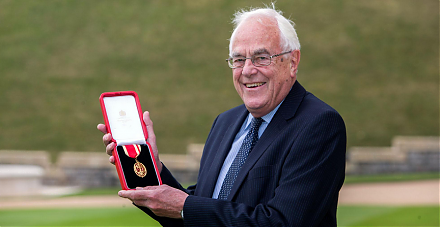
Oxford macro professor Stephen Nickell and his co-authors delve into the trade-off between inflation and unemployment in the dual mandate of price stability
2018-03-09 08:33:00 Friday ET
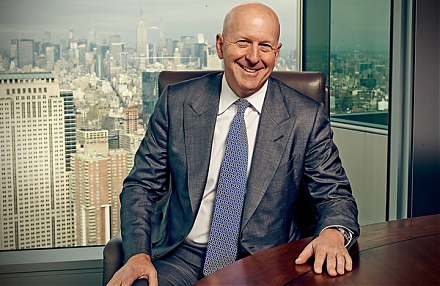
David Solomon succeeds Lloyd Blankfein as the new CEO of Goldman Sachs. Unlike his predecessors Lloyd Blankfein and Gary Cohn, Solomon has been an investmen