
B&G Foods, Inc. along with its subsidiaries manufactures, sells and distributes high quality, shelf stable, frozen food and household products across the U.S., Canada and Puerto Rico. It boasts of a diversified portfolio of brands like Back to Nature, B&G, B&M, Cream of Wheat, Green Giant, Las Palmas, Le Sueur, Mama Mary's, Maple Grove Farms, Mrs. Dash, etc. It has acquired and integrated more than 45 brands. In order to meet production need, it procures a range of raw materials such as agricultural items as well as meat, poultry and flour amongst others. Ingredients and packaging materials are sourced from growers, commodity processors other food companies and packaging suppliers. It also engages in institutional, foodservice and private label sales. It sells, distributes and markets products to supermarkets, mass merchants, warehouse clubs, specialty food distributors, wholesalers, foodservice distributors and direct accounts, military commissaries and non-food outlets such as drug and dollar store chains....
+See More2023-04-14 13:32:00 Friday ET
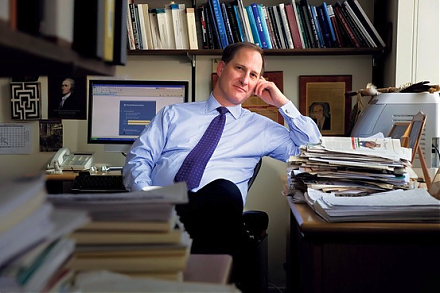
Calomiris and Haber delve into the comparative analysis of bank crises and politics in America, Britain, Canada, Mexico, and Brazil. Charles Calomiris an
2017-04-07 15:34:00 Friday ET
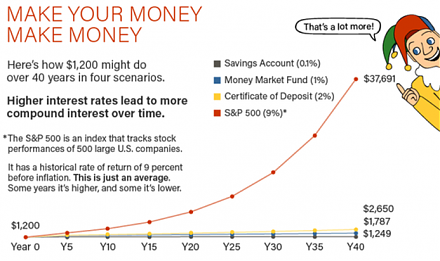
Would you rather receive $1,000 each day for one month or a magic penny that doubles each day over the same month? At first glance, this counterintuitive
2023-02-07 08:26:00 Tuesday ET
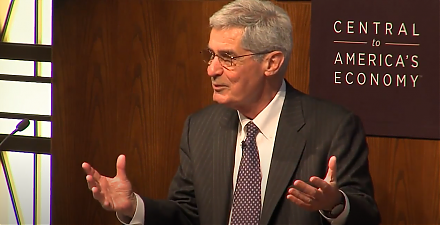
Michel De Vroey delves into the global history of macroeconomic theories from real business cycles to persistent monetary effects. Michel De Vroey (2016)
2020-11-01 11:21:00 Sunday ET

Artificial intelligence continues to push boundaries for several tech titans to sustain their central disruptive innovations, competitive moats, and first-m
2021-02-01 10:19:00 Monday ET
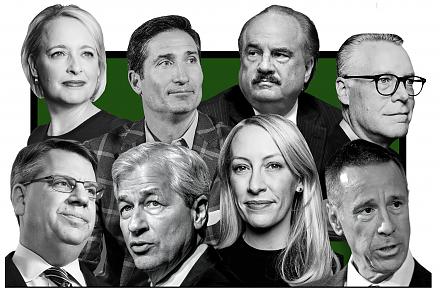
In recent times, the International Monetary Fund (IMF) predicts that the fiscal-debt-to-GDP ratio of most rich economies would rise from 95% in 2018 to 135%
2017-11-13 07:42:00 Monday ET
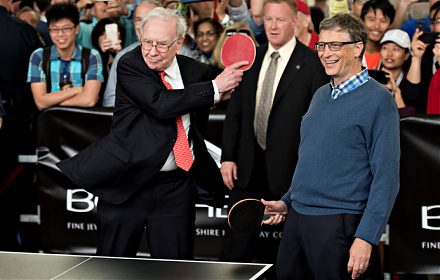
Top 2 wealthiest men Bill Gates and Warren Buffett shared their best business decisions in a 1998 panel discussion with students at the University of Washin