
Avedro, Inc., an ophthalmic pharmaceutical and medical device company, develops and commercializes products to treat ophthalmic disorders and conditions, primarily associated with corneal weakness. The company's Avedro Corneal Remodeling platform comprises KXL and Mosaic systems, which deliver ultraviolet A or UVA light, and a suite of single-use riboflavin drug formulations. Its Avedro Corneal Remodeling platform treats corneal ectatic disorders and corrects refractive conditions; and KXL system in combination with Photrexa drug formulations used for the treatment of progressive keratoconus and corneal ectasia following refractive surgery. Avedro sells its products primarily to ophthalmologists, hospitals, and ambulatory surgery centers through a direct sales force in the United States, as well as through medical device distributors internationally. The company was formerly known as ThermalVision, Inc. and changed its name to Avedro, Inc. in October 2005. Avedro, Inc. was incorporated in 2002 and is headquartered in Waltham, Massachusetts....
+See More2019-08-07 08:32:00 Wednesday ET

Our fintech finbuzz analytic report shines fresh light on the current global economic outlook. As of Summer-Fall 2019, the current analytic report focuses o
2020-03-26 10:31:00 Thursday ET

The unique controversial management style of Steve Jobs helps translate his business acumen into smart product development. Jay Elliot (2012) Leading
2017-08-13 09:36:00 Sunday ET

Several investors and billionaires such as George Soros, Warren Buffett, Carl Icahn, and Howard Marks suggest that the time may be ripe for a major financia
2017-02-25 06:44:00 Saturday ET

As the White House economic director, Gary Cohn suggests that the Trump administration will tackle tax cuts after the administration *repeals and replaces*
2019-10-05 07:27:00 Saturday ET

Treasury Secretary Steven Mnuchin indicates that there is a good conceptual trade agreement between China and the U.S. in regard to intellectual property pr
2019-08-09 18:35:00 Friday ET
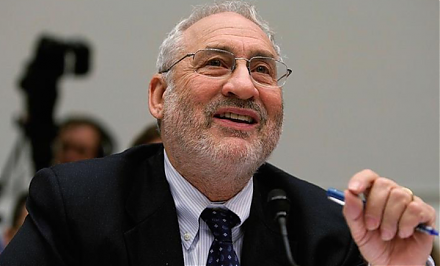
Nobel Laureate Joseph Stiglitz maintains that globalization only works for a few elite groups; whereas, the government should now reassert itself in terms o