
ADDUS HOMECARE is a comprehensive provider of a broad range of social and medical services in the home. The company's services include personal care and assistance with activities of daily living, skilled nursing and rehabilitative therapies, and adult day care. Its consumers are individuals with special needs who are at risk of hospitalization or institutionalization, such as the elderly, chronically ill and disabled. Its payor clients include federal, state and local governmental agencies, the Veterans Health Administration, commercial insurers and private individuals. Addus operates its business through two divisions, home & community services and home health services. The home & community services are social, or non-medical, in nature and include assistance with bathing, grooming, dressing, personal hygiene and medication reminders, and other activities of daily living whereas the home health services are medical in nature and include physical, occupational and speech therapy, as well as skilled nursing....
+See More2018-12-23 13:39:00 Sunday ET
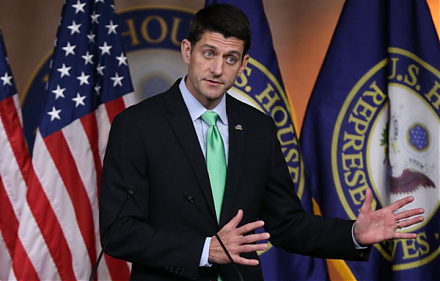
The House of Representatives considers a government expenditure bill with border wall finance and therefore sets up a shutdown stalemate with Senate. As fre
2019-12-19 14:43:00 Thursday ET
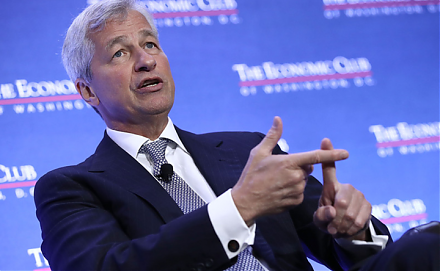
JPMorgan Chase CEO Jamie Dimon views wealth inequality as a major economic problem in America. Dimon now warns that the rich Americans have been getting wea
2018-08-19 10:34:00 Sunday ET

The World Economic Forum warns that artificial intelligence may destabilize the financial system. Artificial intelligence poses at least a trifecta of major
2025-10-07 10:30:00 Tuesday ET
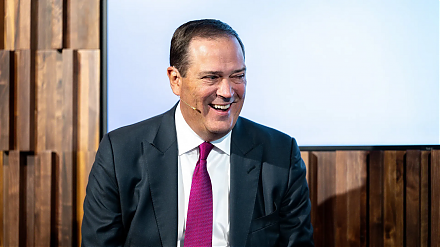
Stock Synopsis: With a new Python program, we use, adapt, apply, and leverage each of the mainstream Gemini Gen AI models to conduct this comprehensive fund
2018-10-15 09:33:00 Monday ET
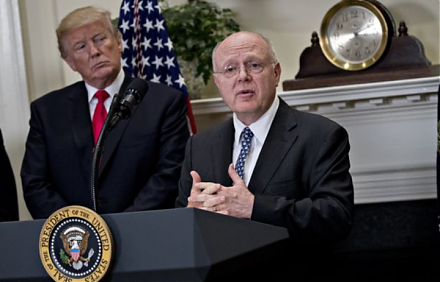
Several pharmaceutical companies now switch their primary focus from generic prescription drugs to medical specialties such as cardiovascular medications an
2024-01-31 14:33:00 Wednesday ET
The new world order of trade helps accomplish non-economic policy goals such as national security and technological dominance. To the extent that freer