
2019-07-05 09:32:00 Fri ET
technology social safety nets education infrastructure health insurance health care medical care medication vaccine social security pension deposit insurance

Warwick macroeconomic expert Roger Farmer proposes paying for social welfare programs with no tax hikes. The U.S. government pension and Medicare liabilities are $47 trillion in total. As Farmer suggests, national treasuries should establish social care funds, and these public funds borrow money at low interest rates and invest the proceeds in many international stock markets. A recent study analyzes data from OECD economies over a century and empirically shows that the average stock return is about 7% above the return on government bonds. Also, the average equity risk premium ranges from 3.8% in Denmark to 9.9% in Japan. Stock market idiosyncratic volatility may not fully accord with economic fundamental factors such as size, value, momentum, asset growth, operating profitability, and market risk etc. This volatility instead shows the animal spirits and sentiments of investors who often buy and sell shares on the basis of self-fulfilling prophecies of greed and fear.
When the government institutes social care funds, these public funds can smooth out short-term stock price gyrations to invest in the long-term fundamental health of the global economy. The key Farmer proposal may work well in practice as most public funds can then earn an average 4%-7% equity premium per annum.
If any of our AYA Analytica financial health memos (FHM), blog posts, ebooks, newsletters, and notifications etc, or any other form of online content curation, involves potential copyright concerns, please feel free to contact us at service@ayafintech.network so that we can remove relevant content in response to any such request within a reasonable time frame.
2024-02-05 11:26:00 Monday ET
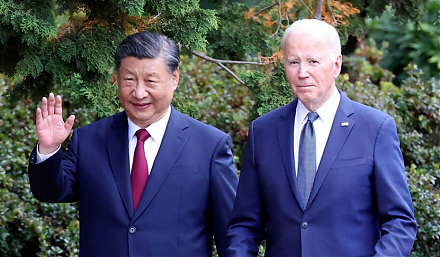
China poses new economic, technological, and military threats to the U.S. and many western allies. In the U.S. government assessment, China poses new eco
2017-12-17 11:41:00 Sunday ET
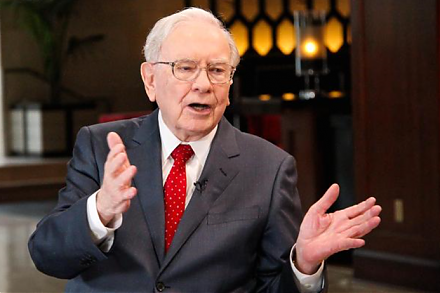
Warren Buffett points out that it is important to invest in oneself. Learning about oneself empowers him or her to lead a meaningful life. This valuable inv
2018-12-15 14:38:00 Saturday ET
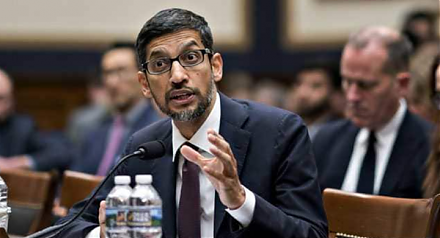
Google CEO Sundar Pichai makes his debut testimony before Congress. The post-mid-term-election House Judiciary Committee bombards Pichai with key questions
2019-05-23 10:33:00 Thursday ET
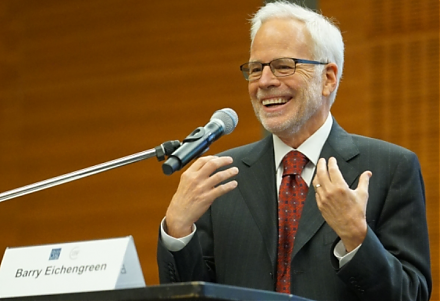
Berkeley professor and economist Barry Eichengreen reconciles the nominal and real interest rates to argue in favor of greater fiscal deficits. French econo
2019-08-08 09:35:00 Thursday ET
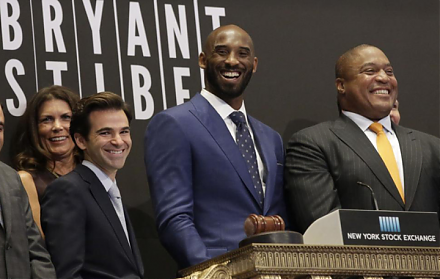
Kobe Bryant and several other star athletes have been smart savvy investors. In collaboration with former Web.com CEO Jeff Stibel, the NBA champion invests
2018-01-12 07:37:00 Friday ET

The Economist delves into the modern perils of tech titans such as Apple, Amazon, Facebook, and Google. These key tech titans often receive plaudits for mak