
2019-03-13 12:35:00 Wed ET
trust perseverance resilience empathy compassion passion purpose vision mission life metaphors seamless integration critical success factors personal finance entrepreneur inspiration grit
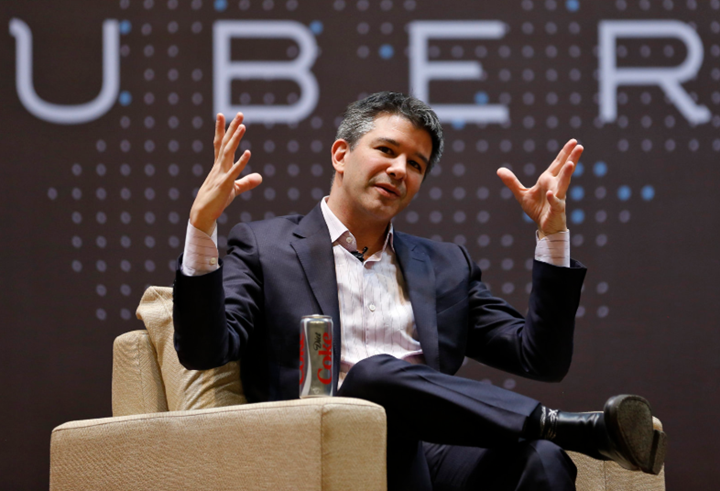
Uber seeks an IPO in close competition with its rideshare rival Lyft and other tech firms such as Slack, Pinterest, and Palantir. Uber expects to complete one of the largest tech IPOs with $120 billion firm valuation in April 2019. Both Uber and its rideshare rival Lyft release their recent S-1 confidential paperwork as of December 2018. With $50 billion taxi reservations and $11 billion net revenue, Uber runs a rideshare user network that is more diverse than the Lyft counterpart. As a global tech-savvy transportation company, Uber now operates in more than 70 countries with probable stock market valuation as high as $120 billion (well above its current $76 billion private market valuation). As a smaller rideshare tech firm, Lyft seeks stock market valuation of $20 billion to $25 billion (well above its current private market valuation of $15 billion).
With these astronomical stock market figures, both companies can handle their net losses below $1 billion per annum. SoftBank Vision Fund and Toyota Motor Corp are part of a consortium of capitalists that invest $1 billion in the Uber autonomous car unit. The current IPO proposal serves as a major strategic move for Uber to garner greater capital.
If any of our AYA Analytica financial health memos (FHM), blog posts, ebooks, newsletters, and notifications etc, or any other form of online content curation, involves potential copyright concerns, please feel free to contact us at service@ayafintech.network so that we can remove relevant content in response to any such request within a reasonable time frame.
2019-07-13 07:17:00 Saturday ET

Japanese prime minister Shinzo Abe outlines the main economic priorities for the G20 summit in Osaka, Japan. First, Asian countries need to forge the key Re
2017-11-03 06:41:00 Friday ET

Broadcom, a one-time division of Hewlett-Packard and now a semiconductor maker whose chips help power iPhone X, has announced its strategic plans to move it
2019-01-03 10:38:00 Thursday ET

American parents often worry about money and upward mobility for their children. A recent New York Times survey suggests that nowadays American parents spen
2023-11-07 11:31:00 Tuesday ET

Joel Mokyr suggests that economic growth arises from a change in cultural beliefs toward technological progress. Joel Mokyr (2018) A culture
2017-10-03 18:39:00 Tuesday ET

President Trump has nominated Jerome Powell to run the Federal Reserve once Fed Chair Janet Yellen's current term expires in February 2018. Trump's
2018-05-15 08:40:00 Tuesday ET
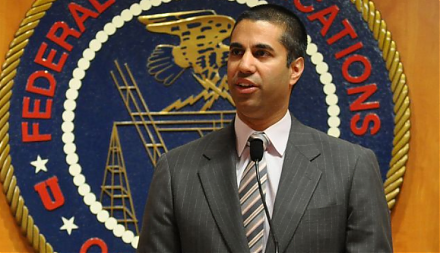
Net neutrality rules continue to revolve around the Trump administration's current IT agenda of 5G telecom transformation. Republican Senate passes the