
2017-05-25 08:35:00 Thu ET
stock market competition macrofinance stock return s&p 500 financial crisis financial deregulation bank oligarchy systemic risk asset market stabilization asset price fluctuations regulation capital financial stability dodd-frank
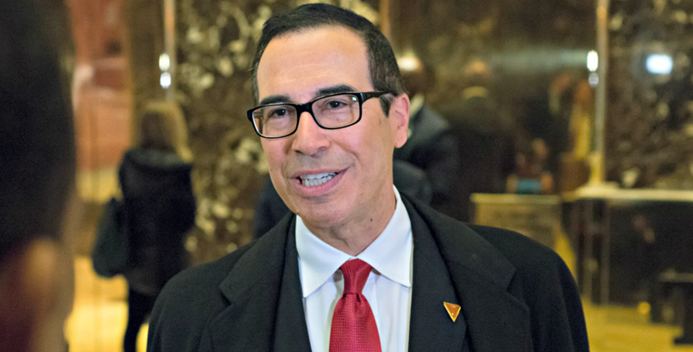
Treasury Secretary Steve Mnuchin has released a 147-page report on financial deregulation under the Trump administration. This financial deregulation seeks to remove many aspects of the Dodd-Frank Act 2010 that arose in the aftermath of the global financial crisis of 2008-2009. These aspects include the $50 billion asset threshold for annual CCAR macro stress tests, the prudential standards for total capital adequacy, more efficient bank failure resolution through the pre-emptive formation of living wills, and supplementary leverage with more liquid assets under Basel 3. Many financial institutions such as large bank holding companies, community banks, insurance companies, and fund management firms are popping champagne corks to celebrate this financial deregulation.
Most of these deregulatory measures can be enacted and then enforced by executive orders without the need to trudge through long legislative review. This recent progress can bolster the Trump stock market rally, especially for financial stocks, whereas, many market observers continue to be wary about the capital adequacy of financial institutions.
Nevertheless, financial institutions should hold substantially more equity capital as an effective cushion against potential large losses that might emerge in times of severe financial stress.
If any of our AYA Analytica financial health memos (FHM), blog posts, ebooks, newsletters, and notifications etc, or any other form of online content curation, involves potential copyright concerns, please feel free to contact us at service@ayafintech.network so that we can remove relevant content in response to any such request within a reasonable time frame.
2023-12-03 11:33:00 Sunday ET
Macro innovations and asset alphas show significant mutual causation. April 2023 This brief article draws from the recent research publicati
2019-11-17 14:43:00 Sunday ET

New computer algorithms and passive mutual fund managers run the stock market. Morningstar suggests that the total dollar amount of passive equity assets re
2019-12-01 10:31:00 Sunday ET
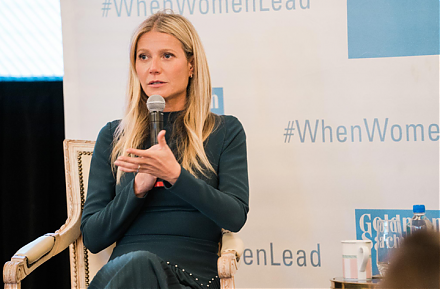
Goop Founder and CEO Gwyneth Paltrow serves as a great inspiration for female entrepreneurs. Paltrow designs Goop as an online newsletter, and this newslett
2020-03-19 13:39:00 Thursday ET
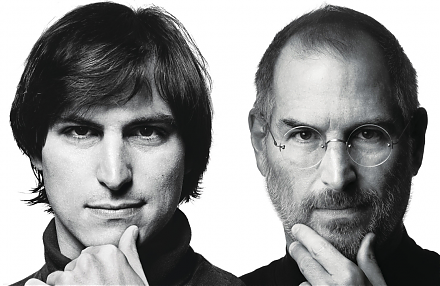
The business legacy and sensitivity of Steve Jobs can transform smart mobile devices with Internet connectivity, music and video content curation, and digit
2018-01-17 05:30:00 Wednesday ET

European Union antitrust regulators impose a fine on Qualcomm for advancing its key exclusive microchip deal with Apple to block out rivals such as Intel an
2018-05-03 07:34:00 Thursday ET
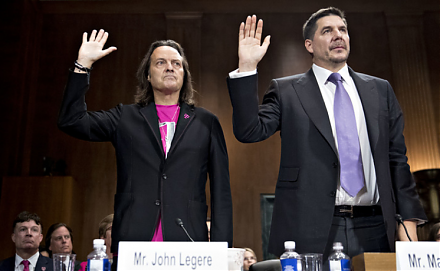
Sprint and T-Mobile propose a major merger in order to better compete with AT&T and Verizon. This mega merger is worth $26.5 billion and involves an all