
2019-04-27 16:41:00 Sat ET
trust perseverance resilience empathy compassion passion purpose vision mission life metaphors seamless integration critical success factors personal finance entrepreneur inspiration grit

Tony Robbins suggests that one has to be able to make money during sleep hours in order to reach financial freedom. Most of our jobs and life experiences train us to be consumers but not investors or owners. This memetic trend often leads to a persistent investment shortfall in America. As a recent BankRate survey suggests, only 40% of Americans are able to cover an unforeseen $1,000 expense with their deposits. Many Americans choose not to save enough for retirement.
A recent study by the Federal Reserve Bank of Saint Louis finds that only 27% of U.S. households have pension plans in place. In light of this key pervasive lack of financial discipline, Tony Robbins argues that the typical layman cannot expect to earn his or her way into a fortune. Robbins suggests that we need to make money while we sleep.
This personal finance tip sheds new light on the importance of both passive income and compound interest. For instance, if a 20-year-old adult invests $50 per week and compounds this interest income on an average 10% annual return, he or she will accumulate about $2 million at the conventional retirement age of 65. The long-term investment strategy wins throughout stock market fluctuations.
If any of our AYA Analytica financial health memos (FHM), blog posts, ebooks, newsletters, and notifications etc, or any other form of online content curation, involves potential copyright concerns, please feel free to contact us at service@ayafintech.network so that we can remove relevant content in response to any such request within a reasonable time frame.
2024-07-31 09:28:00 Wednesday ET
In the modern monetary system, each new CBDC helps anchor public trust in money in support of economic welfare, especially in a cashless society. In our
2023-02-28 10:27:00 Tuesday ET

Basic income reforms can contribute to better health care, public infrastructure, education, technology, and residential protection. Philippe Van Parijs
2017-05-31 06:36:00 Wednesday ET
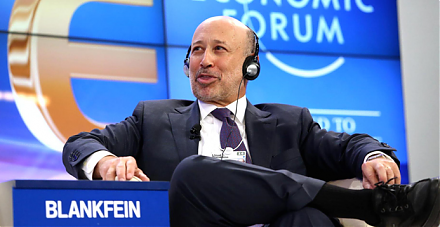
The Federal Reserve rubber-stamps the positive conclusion that all of the 34 major banks pass their annual CCAR macro stress tests for the first time since
2019-09-25 15:33:00 Wednesday ET

Product market competition and online e-commerce help constrain money supply growth with low inflation. Key e-commerce retailers such as Amazon, Alibaba, an
2018-08-27 09:35:00 Monday ET

President Trump and his Republican senators and supporters praise the recent economic revival of most American counties. The Economist highlights a trifecta
2017-02-25 06:44:00 Saturday ET
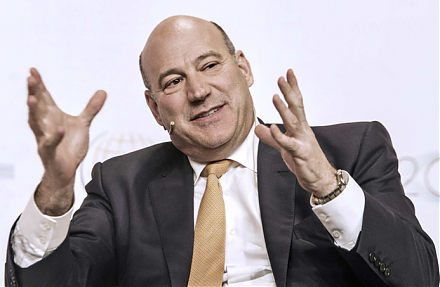
As the White House economic director, Gary Cohn suggests that the Trump administration will tackle tax cuts after the administration *repeals and replaces*