
2019-11-05 07:41:00 Tue ET
technology antitrust competition bilateral trade free trade fair trade trade agreement trade surplus trade deficit multilateralism neoliberalism world trade organization regulation public utility current account compliance
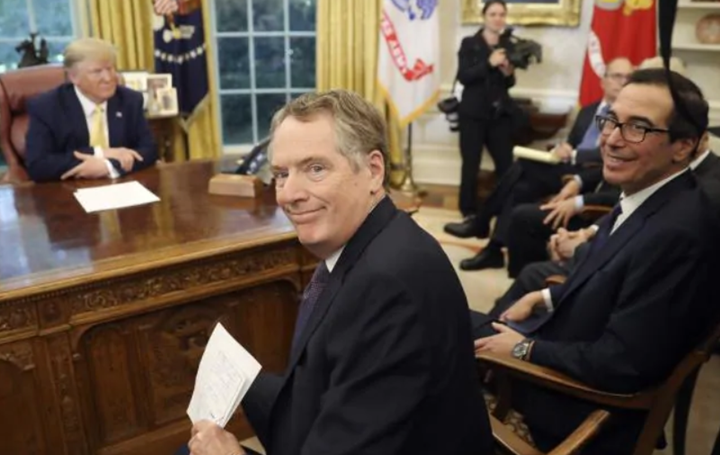
The Trump administration expects to reach an interim partial trade deal with China. This interim partial trade deal represents the first phase of a comprehensive trade deal between China and America. The Trump administration suspends additional tariff hikes on Chinese imports. Moreover, the Trump administration introduces a currency pact to prevent China from instituting deliberate interest rate adjustments with unfair competitive currency devaluation.
U.S. trade envoy Robert Lighthizer and Treasury Secretary Steven Mnuchin praise good progress on intellectual property protection and financial market liberalization in China. To help reduce the current trade imbalance, China plans to purchase $40 billion to $50 billion U.S. agricultural products such as soybeans and pork bellies. This interim partial trade deal suggests that it may be too early for both sides to agree on the more difficult enforcement of protective checks and balances for U.S. patents, trademarks, and copyrights.
President Trump expects to meet Chinese President Xi again at the APEC summit in November 2019. It is likely for Presidents Trump and Xi to sign the interim partial trade deal at the summit. Global stock markets surge 3%-5% from S&P 500, Dow Jones, and Nasdaq to Shanghai and Shenzhen in response to this trade deal.
If any of our AYA Analytica financial health memos (FHM), blog posts, ebooks, newsletters, and notifications etc, or any other form of online content curation, involves potential copyright concerns, please feel free to contact us at service@ayafintech.network so that we can remove relevant content in response to any such request within a reasonable time frame.
2025-10-08 11:34:00 Wednesday ET

Stock Synopsis: With a new Python program, we use, adapt, apply, and leverage each of the mainstream Gemini Gen AI models to conduct this comprehensive fund
2025-06-05 00:00:00 Thursday ET

Former New York Times team journalist and Pulitzer Prize winner Charles Duhigg describes, discusses, and delves into how we can change our respective lives
2019-04-19 12:35:00 Friday ET
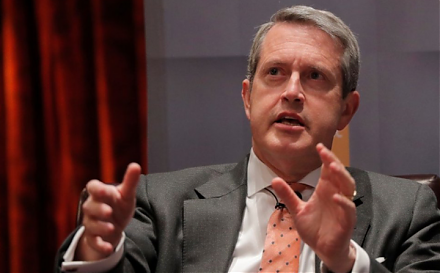
Federal Reserve proposes to revamp post-crisis rules for U.S. banks. The current proposals would prescribe materially less strict requirements for community
2018-05-02 06:32:00 Wednesday ET
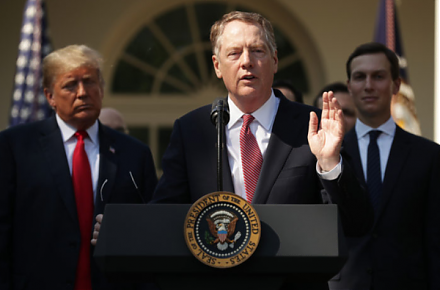
What are the primary pros and cons of free trade or fair trade in the current Sino-American quagmire? Free trade means allowing goods and services to move a
2019-03-27 11:28:00 Wednesday ET
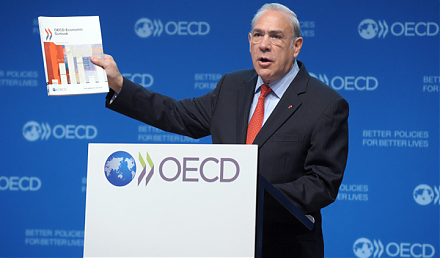
OECD cuts the global economic growth forecast from 3.5% to 3.3% for the current fiscal year 2019-2020. The global economy suffers from economic protraction
2024-04-30 09:30:00 Tuesday ET
With clean and green energy resources and electric vehicles, the global auto industry now navigates at a newer and faster pace. Both BYD and Tesla have