
2018-03-15 07:41:00 Thu ET
treasury deficit debt employment inflation interest rate macrofinance fiscal stimulus economic growth fiscal budget public finance treasury bond treasury yield sovereign debt sovereign wealth fund tax cuts government expenditures
The Trump administration's $1.5 trillion hefty tax cuts and $1 trillion infrastructure expenditures may speed up the Federal Reserve interest rate hike due to robust labor market growth. The U.S. economy adds more than 313,000 non-farm payroll jobs in early-2018. The stellar key labor market growth is stronger than most macro projections, and the U.S. unemployment rate stays at 4.1% or the lowest level in 17 years. Wages also grow at 2.6% and remain a few notches below the prior pace. Productive progress in U.S. employment and economic output continues without higher inflation near the 2% target. In accordance with most macro expectations, the Federal Reserve expects to raise interest rate 4 times in 2018 and maybe 3-4 times in 2019. The current neutral interest rate hike helps attain the congressional dual mandate of maximum employment and price stability.
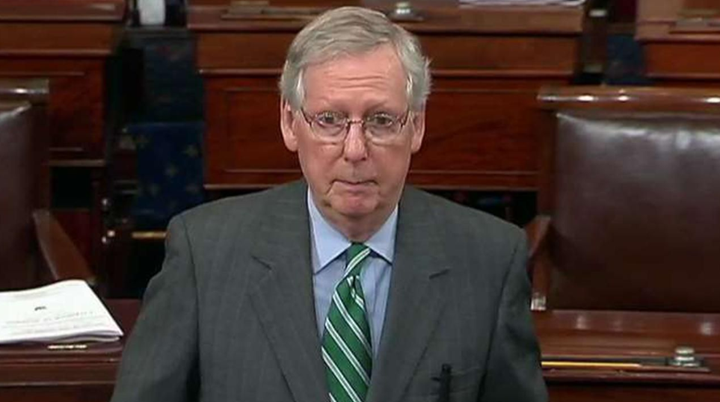
Senate majority leader Mitch McConnell announces the new budget deal. This deal can be sustainable with $15 trillion national debt and $80-$95 billion budget deficit projections over the next 2 years. A key issue concerns how long Congress should raise the national debt limit, which the U.S. economy may hit as soon as April 2018. Republicans and Democrats still need to negotiate the exact parameters to reach bipartisan agreement.
If any of our AYA Analytica financial health memos (FHM), blog posts, ebooks, newsletters, and notifications etc, or any other form of online content curation, involves potential copyright concerns, please feel free to contact us at service@ayafintech.network so that we can remove relevant content in response to any such request within a reasonable time frame.
2023-10-21 11:32:00 Saturday ET

Walter Scheidel indicates that persistent European fragmentation after the collapse of the Roman Empire leads to modern economic growth and development.
2018-03-06 11:35:00 Tuesday ET
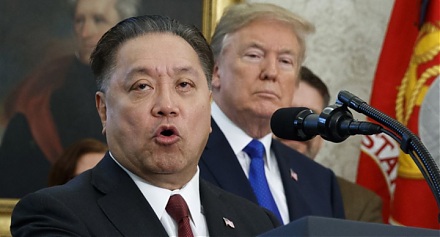
The Trump team blocks Broadcom's bid for Qualcomm due to national economic security concerns and 5G telecom network issues. Broadcom makes microchips fo
2019-07-21 09:37:00 Sunday ET

Facebook introduces a new cryptocurrency Libra as a fresh medium of exchange for e-commerce. Libra will be available to all the 2 billion active users on Fa
2018-03-09 08:33:00 Friday ET

David Solomon succeeds Lloyd Blankfein as the new CEO of Goldman Sachs. Unlike his predecessors Lloyd Blankfein and Gary Cohn, Solomon has been an investmen
2019-05-13 12:38:00 Monday ET

Brent crude oil prices spike to $70-$75 per barrel after the Trump administration stops waiving economic sanctions on Iranian oil exports. U.S. State Secret
2017-09-13 10:35:00 Wednesday ET

CNBC reports the Top 5 features of Apple's iPhone X. This new product release can be the rising tide that lifts all boats in Apple's upstream value