
2018-09-29 12:39:00 Sat ET
stock market gold oil stock return s&p 500 asset market stabilization asset price fluctuations stocks bonds currencies commodities funds term spreads credit spreads fair value spreads asset investments
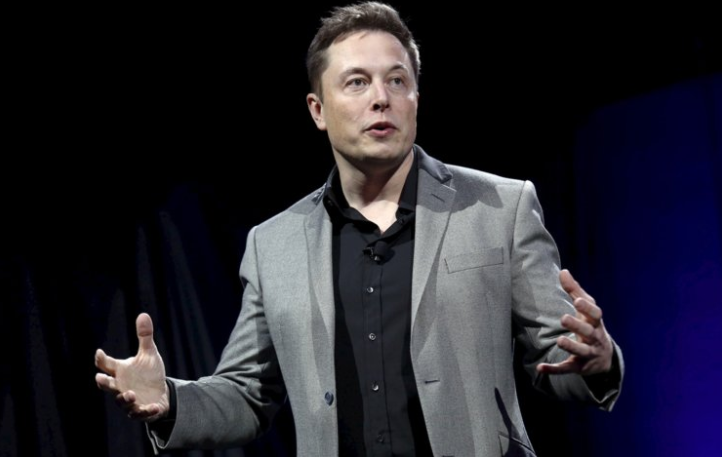
The Securities and Exchange Commission (S.E.C.) sues Elon Musk for his August 2018 tweet that he has secured external finance to convert Tesla into a private company. Federal regulators accuse Musk of misleading stock market investors with false public statements. This regulatory move can potentially oust Musk out of his current chief executive leadership at the electric carmaker Tesla. The S.E.C. files a recent lawsuit in the federal court in New York to accuse Musk of committing fraud by making false public statements that may inadvertently be detrimental to shareholder value.
This lawsuit seeks to bar Musk, who is both the CEO and executive chairman at Tesla, from serving as an executive director of public corporations such as Tesla. This punishment is one of the most serious remedies that the S.E.C. can impose against corporate executive incumbents. From a regulatory viewpoint, Musk might be reckless in not knowing the fact that his public statements can mislead stock market investors who maintain an active interest in Tesla shares. Both in truth and in fact, Musk has never confirmed any key deal terms such as deal price and stock exchange etc with any relevant source of external finance. Tesla shares tumble 12% in direct response to this S.E.C. lawsuit.
The S.E.C. eventually settles this lawsuit with Elon Musk who has to relinquish his chairman role but remains the CEO with complete corporate control at Tesla.
As part of this swift legal settlement, Musk and Tesla have to pay hefty fines of $20 million each. Musk and Tesla neither admit nor deny any egregious mistakes that the S.E.C. alleges in recent times.
Elon Musk ultimately has to abort his previous plan to transform Tesla into a private company. This case sets a landmark precedent for CEOs and executive chairmen who might inadvertently erode shareholder value via their erroneous tweets, public statements, articles, blogs, and posts etc.
S.E.C. regulatory scrutiny and oversight thus serve as a safety valve that prevents CEOs and executive chairmen or chairwomen from social engagement that might result in false public statements.
If any of our AYA Analytica financial health memos (FHM), blog posts, ebooks, newsletters, and notifications etc, or any other form of online content curation, involves potential copyright concerns, please feel free to contact us at service@ayafintech.network so that we can remove relevant content in response to any such request within a reasonable time frame.
2019-04-27 16:41:00 Saturday ET
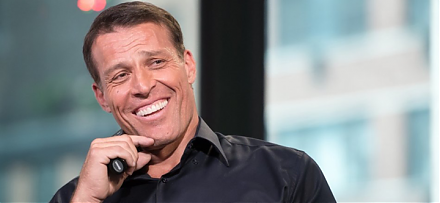
Tony Robbins suggests that one has to be able to make money during sleep hours in order to reach financial freedom. Most of our jobs and life experiences tr
2019-06-05 10:34:00 Wednesday ET
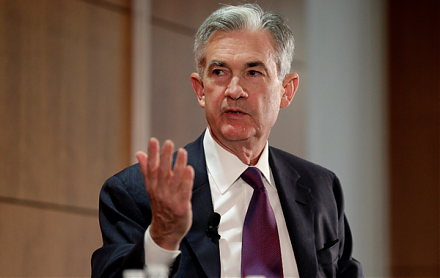
Fed Chair Jay Powell suggests that the recent surge in U.S. business debt poses moderate risks to the economy. Many corporate treasuries now carry about 40%
2019-08-10 21:44:00 Saturday ET
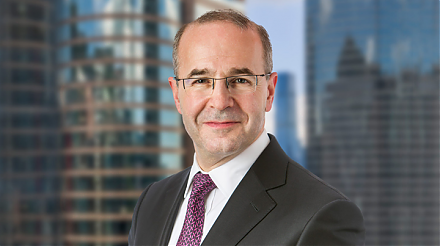
McKinsey Global Institute analyzes 315 U.S. cities and 3,000 counties in terms of how tech automation affects their workers in the next 5 to 10 years. This
2023-03-21 11:28:00 Tuesday ET
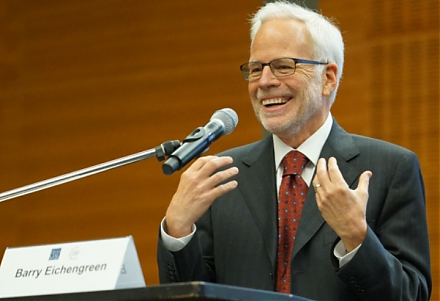
Barry Eichengreen compares the Great Depression of the 1930s and the Great Recession as historical episodes of economic woes. Barry Eichengreen (2016)
2025-10-04 13:37:00 Saturday ET
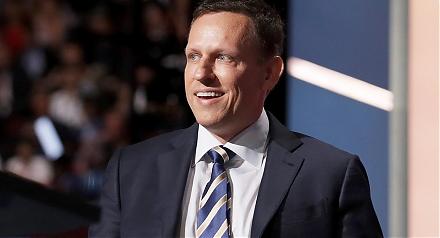
Stock Synopsis: With a new Python program, we use, adapt, apply, and leverage each of the mainstream Gemini Gen AI models to conduct this comprehensive fund
2018-08-15 14:40:00 Wednesday ET
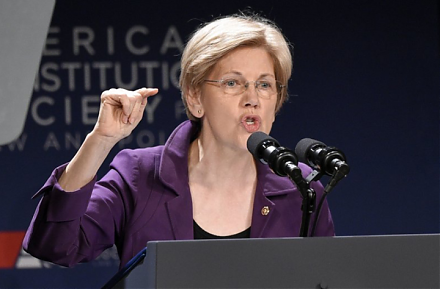
Senator Elizabeth Warren advocates the alternative view that most U.S. trade deals serve corporate interests over workers, customers, and suppliers etc. She