
2019-09-21 09:25:00 Sat ET
stock market competition macrofinance stock return s&p 500 financial crisis financial deregulation bank oligarchy systemic risk asset market stabilization asset price fluctuations regulation capital financial stability dodd-frank
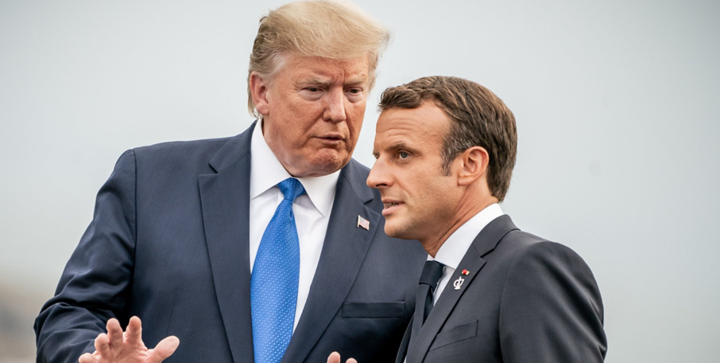
President Trump praises great unity and progress at the G7 summit with respect to Sino-U.S. trade conflict resolution, global climate change, containment for Iran, and trade peace with Europe and Japan. At the G7 summit in France, President Trump asserts that he can engage in direct talks to better resolve climate change issues and economic sanctions on the nuclear nation Iran. President Trump can meet the Iranian President Hassan Rouhani under the right circumstances. The Trump administration can further help eradicate environmental degradation on a global scale.
Also, President Trump expects Sino-U.S. trade talks to resume in September 2019. These new negotiations can help assuage the recent bilateral trade escalation with higher tariffs, verbal threats, and other aggressive countermeasures. Chinese Vice Premier Liu He indicates that China can work together to solve key trade problems through consultation and cooperation with a calm attitude. In addition, the Trump administration attains trade peace with Japan for better regional trade partnerships. Moreover, the Trump administration causes France (and other European countries such as Germany and Italy) to agree to legitimate digital tax reprieve for U.S. tech titans such as Apple, Amazon, Facebook, and Google.
Overall, peace and engagement can help resolve complex economic policy issues.
If any of our AYA Analytica financial health memos (FHM), blog posts, ebooks, newsletters, and notifications etc, or any other form of online content curation, involves potential copyright concerns, please feel free to contact us at service@ayafintech.network so that we can remove relevant content in response to any such request within a reasonable time frame.
2019-06-05 10:34:00 Wednesday ET
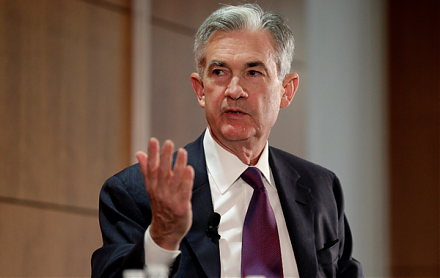
Fed Chair Jay Powell suggests that the recent surge in U.S. business debt poses moderate risks to the economy. Many corporate treasuries now carry about 40%
2019-04-27 16:41:00 Saturday ET
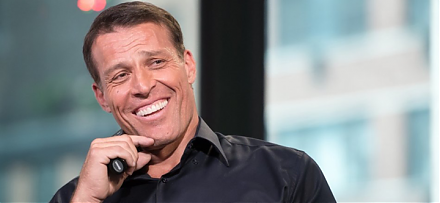
Tony Robbins suggests that one has to be able to make money during sleep hours in order to reach financial freedom. Most of our jobs and life experiences tr
2018-06-21 10:42:00 Thursday ET
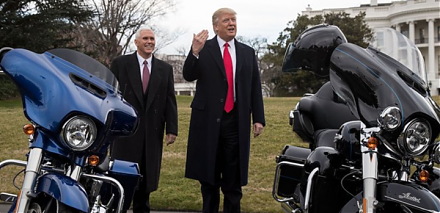
Harley Davidson plans to move its major production for European customers out of America due to European Union tariff retaliation. European Union retaliator
2022-11-30 09:26:00 Wednesday ET
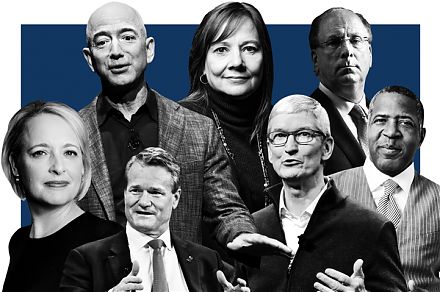
Climate change and ESG woke capitalism In recent times, the Biden administration has signed into law a $375 billion program to better balance the economi
2018-11-05 10:40:00 Monday ET
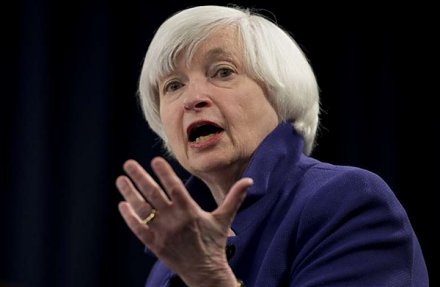
Former Fed Chair Janet Yellen worries about U.S. government debt accumulation, expects new interest rate increases, and warns of the next economic recession
2023-06-19 10:31:00 Monday ET

A brief biography of Dr Andy Yeh (PhD, MFE, MMS, BMS, FRM, and USPTO patent accreditation) Dr Andy Yeh is responsible for ensuring maximum sustainable me