
2018-12-23 13:39:00 Sun ET
treasury deficit debt employment inflation interest rate macrofinance fiscal stimulus economic growth fiscal budget public finance treasury bond treasury yield sovereign debt sovereign wealth fund tax cuts government expenditures
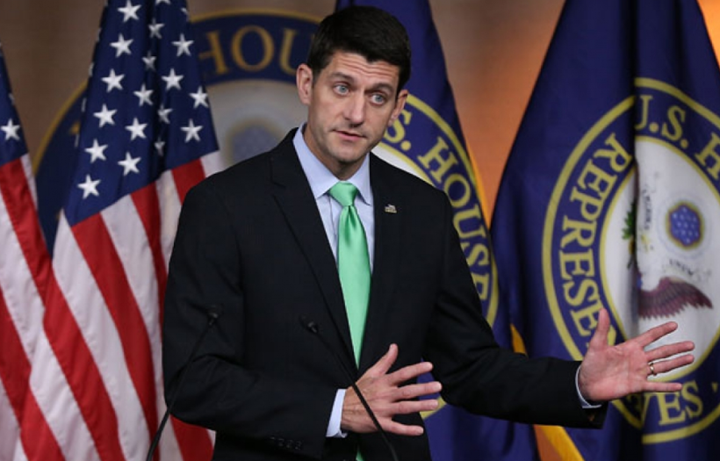
The House of Representatives considers a government expenditure bill with border wall finance and therefore sets up a shutdown stalemate with Senate. As frenetic negotiations persist at Capitol Hill, the House adjourns without a final government expenditure deal. This impasse leads to a partial government shutdown, whereas, President Trump demands at least $5 billion for his presidential campaign promise of a Mexican border wall. The Trump top envoys work hard to broker a last-minute compromise with Democrats and some Republican lawmakers.
The partial government shutdown would disrupt public service operations as many federal employees face furlough and work without pay only a few days before the festive Christmas holiday season. While many market watchers expect the partial government shutdown to be temporary, this shutdown echoes the previous Trump verbal threat that he would be proud to shut down the government for better border security.
Stock market investors respond to this shutdown with negative consequences. Key stock market indices from S&P 500 and NASDAQ to Dow Jones reach historical low levels with near-term 5%+ losses in the prior decade. Several economic media commentators expect the next stock market rally to emerge in light of better stock market investor optimism early-2019.
If any of our AYA Analytica financial health memos (FHM), blog posts, ebooks, newsletters, and notifications etc, or any other form of online content curation, involves potential copyright concerns, please feel free to contact us at service@ayafintech.network so that we can remove relevant content in response to any such request within a reasonable time frame.
2019-04-13 14:28:00 Saturday ET

Saudi Aramco unveils the financial secrets of the most profitable corporation in the world. In its recent public bond issuance prospectus, Aramco offers the
2017-02-19 07:41:00 Sunday ET

In his recent book on personal finance, Tony Robbins recommends that each investor should rebalance his or her investment portfolio *only once a year* to in
2023-04-07 12:29:00 Friday ET
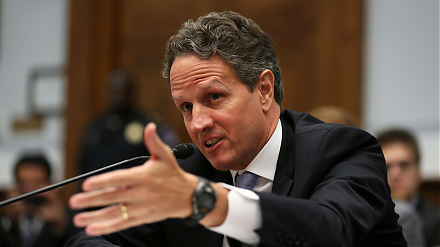
Timothy Geithner shares his reflections on the post-crisis macro financial stress tests for U.S. banks. Timothy Geithner (2014) Macrofinanci
2019-12-19 14:43:00 Thursday ET
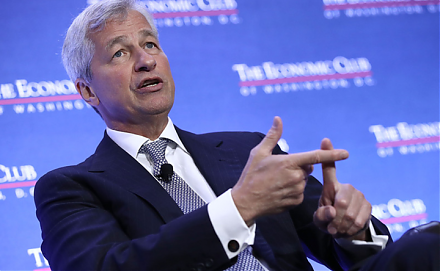
JPMorgan Chase CEO Jamie Dimon views wealth inequality as a major economic problem in America. Dimon now warns that the rich Americans have been getting wea
2018-02-11 07:30:00 Sunday ET
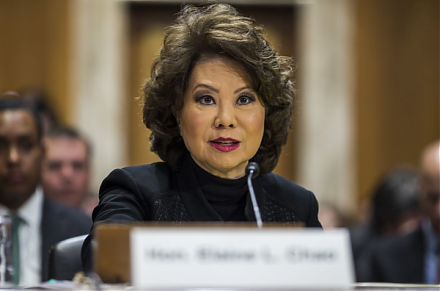
President Trump unveils his ambitious $1.5 trillion public infrastructure plan. Trump proposes offering $100 billion in federal incentives to encourage stat
2024-02-05 11:26:00 Monday ET
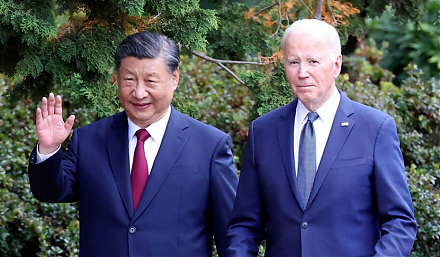
China poses new economic, technological, and military threats to the U.S. and many western allies. In the U.S. government assessment, China poses new eco